How to Pose for Editorial Shoots
How to Pose for Editorial Shoots
The Camera Does Not Lie, But It Does Mis-read You
You practiced your smile in the bathroom mirror. You picked the perfect outfit three days in advance. You showed up early, the light was gorgeous and then someone said "just relax and be yourself" and your entire body forgot what being a person felt like.
Your arms went stiff. Your smile turned into a grimace. And somewhere between the third "let's try again" and the photographer tilting their head, you realized the photos were not going to look anything like the ones you saved on your phone for inspiration.
That feeling is not a problem. That is a knowledge problem.
Posing for editorial shoots is a learned skill, not a talent you either have or you do not. The people who look effortlessly powerful in editorial photographs are not naturally more photogenic. They understand a set of specific techniques that control how their body, face and energy read on camera. And those techniques are exactly what this guide covers completely, clearly and in a way you can actually use before your next session.
What Editorial Posing Really Is and Why It Operates Differently
It Is Storytelling Through Your Body, Not Just Standing There
Editorial posing is not about standing still and looking good. It is about showing a feeling, a personality or an idea through the body. Every strong editorial image communicates something without words.
A simple portrait shows how someone looks. An editorial portrait shows who someone is. That difference changes how the body should move, stand and express itself.
Why Most People Freeze and What Is Actually Happening
Freezing in front of a camera happens because the body loses purpose. In daily life, every movement has meaning. There is always something to do or react to. When that context disappears, the body does not know what to do.
The solution is not to “relax.” The solution is to give the body clear direction. Each part of the body needs a purpose. When that happens, the stiffness disappears and natural movement returns.
How to Position Your Body for a Strong Editorial Frame
Your Spine Is the Architecture of Every Pose
The spine controls the entire presence in a photo. A straight and extended spine creates confidence and openness. A collapsed posture makes the image feel weak.
The goal is not to stand stiff like a soldier. The goal is a natural upright posture. Imagine something light resting on the head. This helps lengthen the neck and open the chest without force.
This alignment should stay consistent throughout the session. It supports every pose that follows.
Turn Your Body and Everything Changes
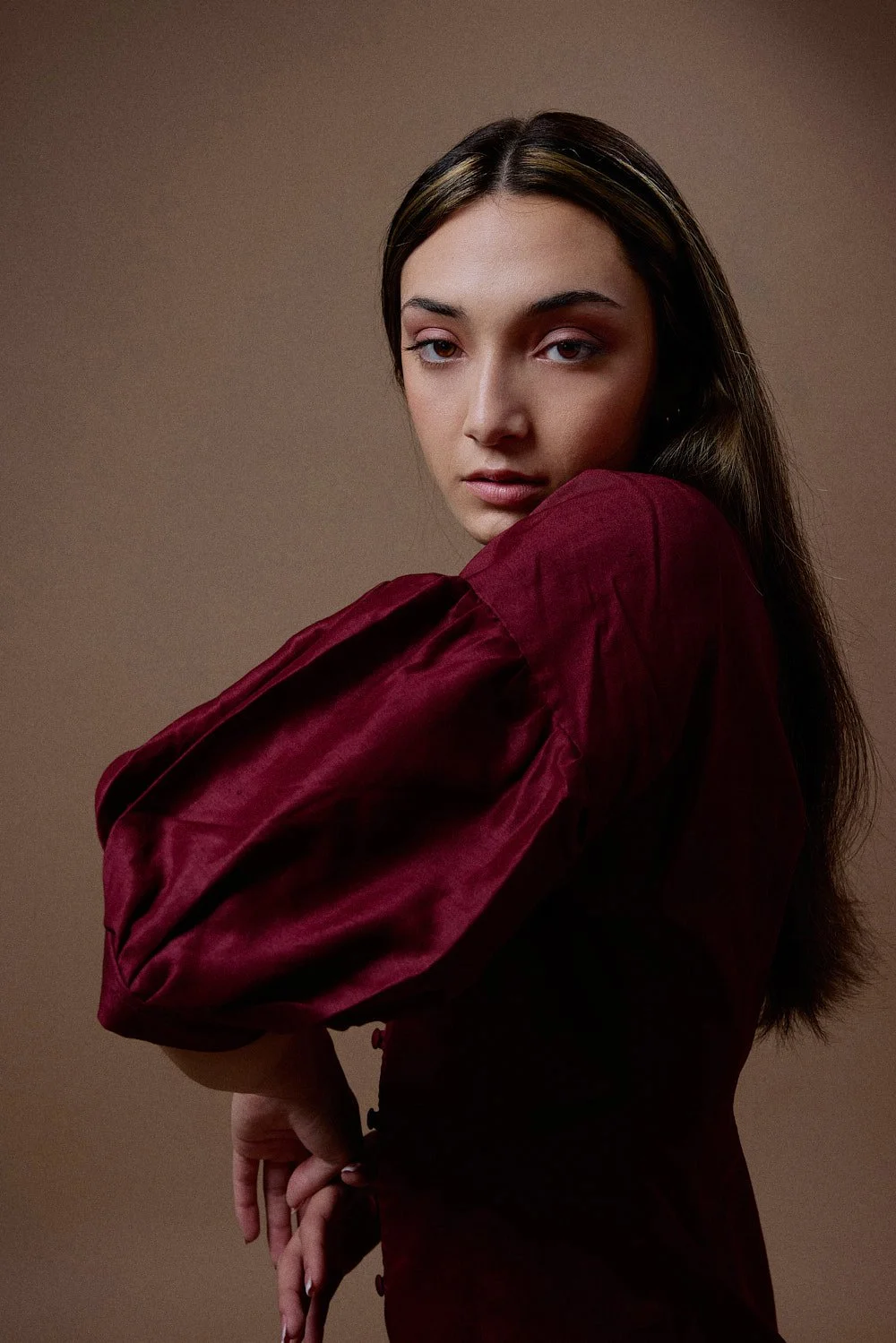
Standing straight toward the camera flattens the body. Turning slightly creates depth and dimension. Even a small angle changes how the image feels.
A strong editorial stance places the body at an angle while the face turns back toward the camera. This creates tension between the body and the gaze, which adds visual interest.
Where Your Weight Goes Creates the Shape of the Pose
Even weight on both feet creates a stiff and balanced look. Shifting weight to one foot creates movement and shape.
This shift forms natural lines through the body. These lines make the pose feel dynamic instead of static. A small adjustment in weight can completely change the image.
What to Do With Your Hands So They Stop Looking Like a Problem
Why Hands Look Unnatural and How to Fix It Immediately
Hands look awkward when they have no purpose. They appear stiff when they are just placed without intention.
Giving the hands a simple role solves this problem. They do not need to do anything complex. They just need to feel connected to something.
Hand Positions That Work Consistently in Editorial Sessions
A hand placed lightly near the face or collarbone adds softness and focus. It should not press or grip. It should feel natural.
Hands in pockets create a relaxed and modern look. This also gives the arms a natural bend.
Holding onto clothing or nearby objects adds realism. It mirrors how hands behave in everyday life.
The Detail That Separates Editorial Hands From Amateur Hands
Fingers should stay slightly curved and relaxed. Flat fingers look stiff. Soft curves look natural.
Practicing this simple detail before the shoot makes a visible difference.
How to Use Your Face to Carry Emotional Weight in the Frame
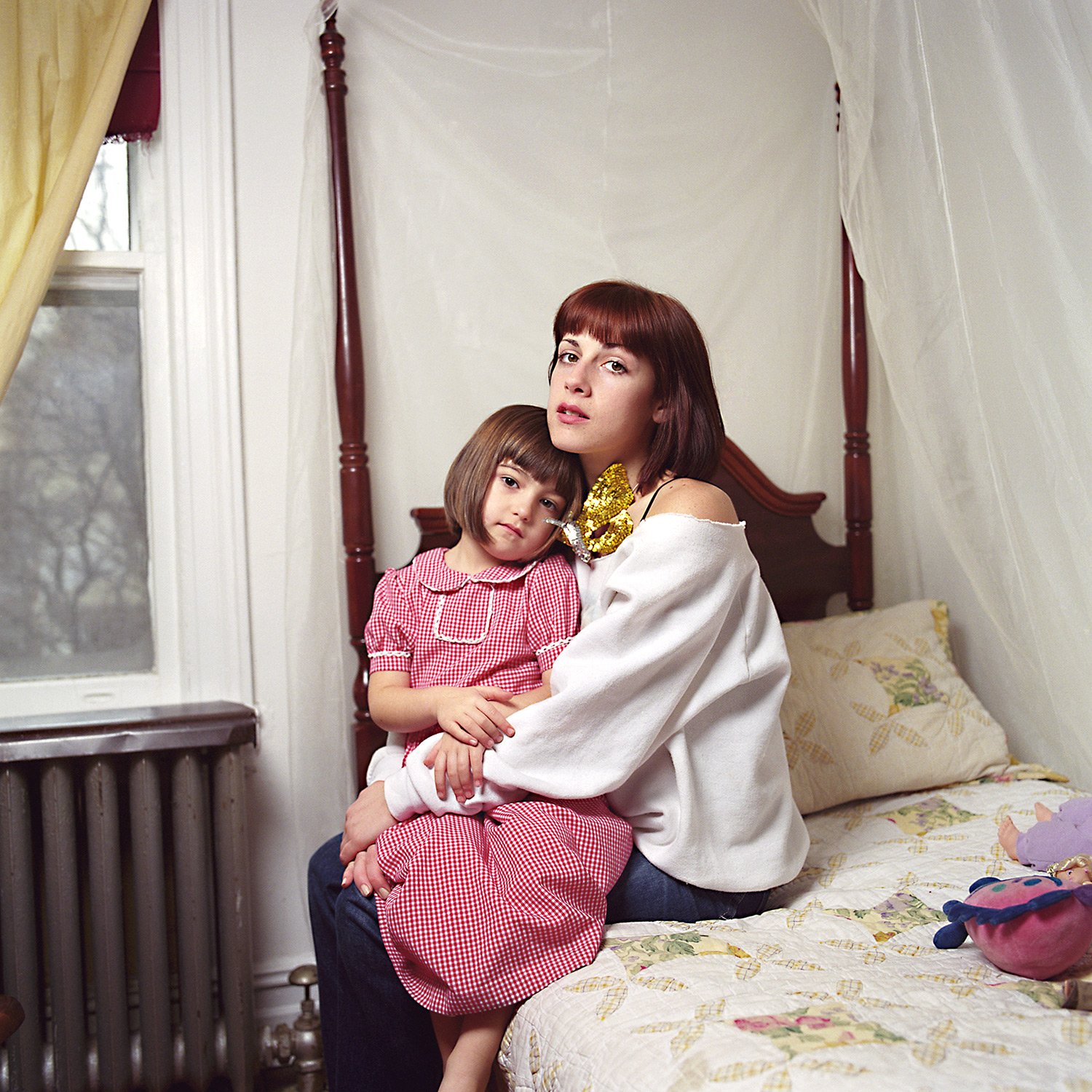
Your Eyes Are Doing More Work Than Any Other Part of Your Body
The eyes are the most important part of any editorial portrait. They carry emotion and meaning.
A strong image comes from real internal feeling, not forced expressions. Thinking about something real creates natural emotion in the eyes. That cannot be faked easily.
Direct Gaze Versus Looking Past the Lens
Looking into the camera creates a strong connection. It feels direct and confident.
Looking slightly away creates depth and thoughtfulness. It feels more reflective.
Both approaches are useful. Each one creates a different kind of image.
The Chin Position Nobody Talks About Enough
Moving the chin slightly forward and down improves the jawline and neck shape.
It may feel unusual at first but it creates a clean and confident look in photos. This small adjustment has a major impact.
Using Movement to Bring Editorial Images to Life
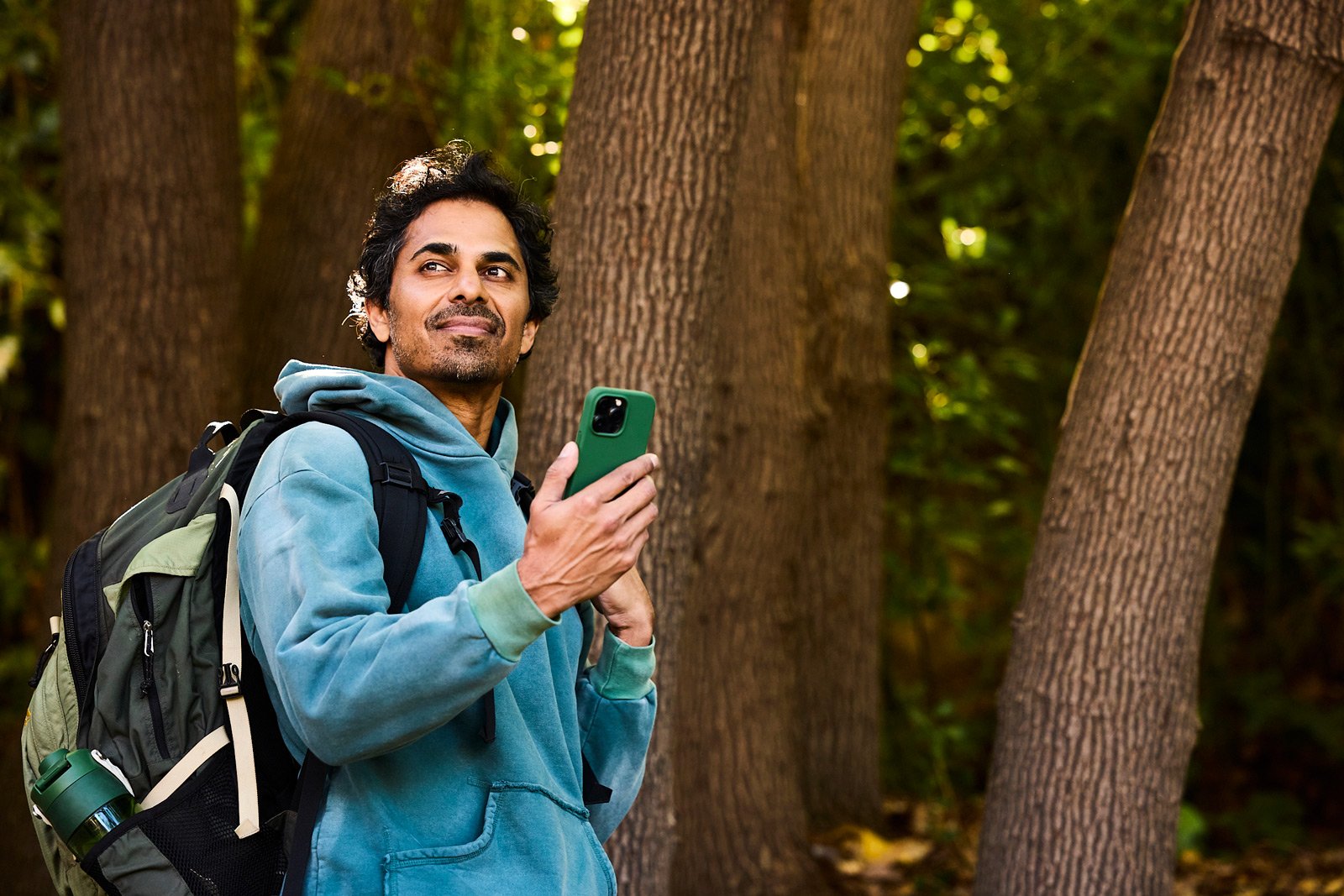
Why the Best Editorial Frames Are Caught, Not Constructed
The strongest images often happen between poses, not during them. Movement creates natural moments that feel real.
These moments cannot be planned exactly. They are captured as they happen.
How to Move in Front of the Camera in a Way That Photographs Well
Walking slowly with purpose creates natural movement. It helps the body settle into real positions.
Turning the head gently from side to side creates variety. It allows the photographer to capture different angles.
Movement should stay slow and controlled. This keeps everything smooth and intentional.
How Your Wardrobe Directly Shapes Your Posing Strategy
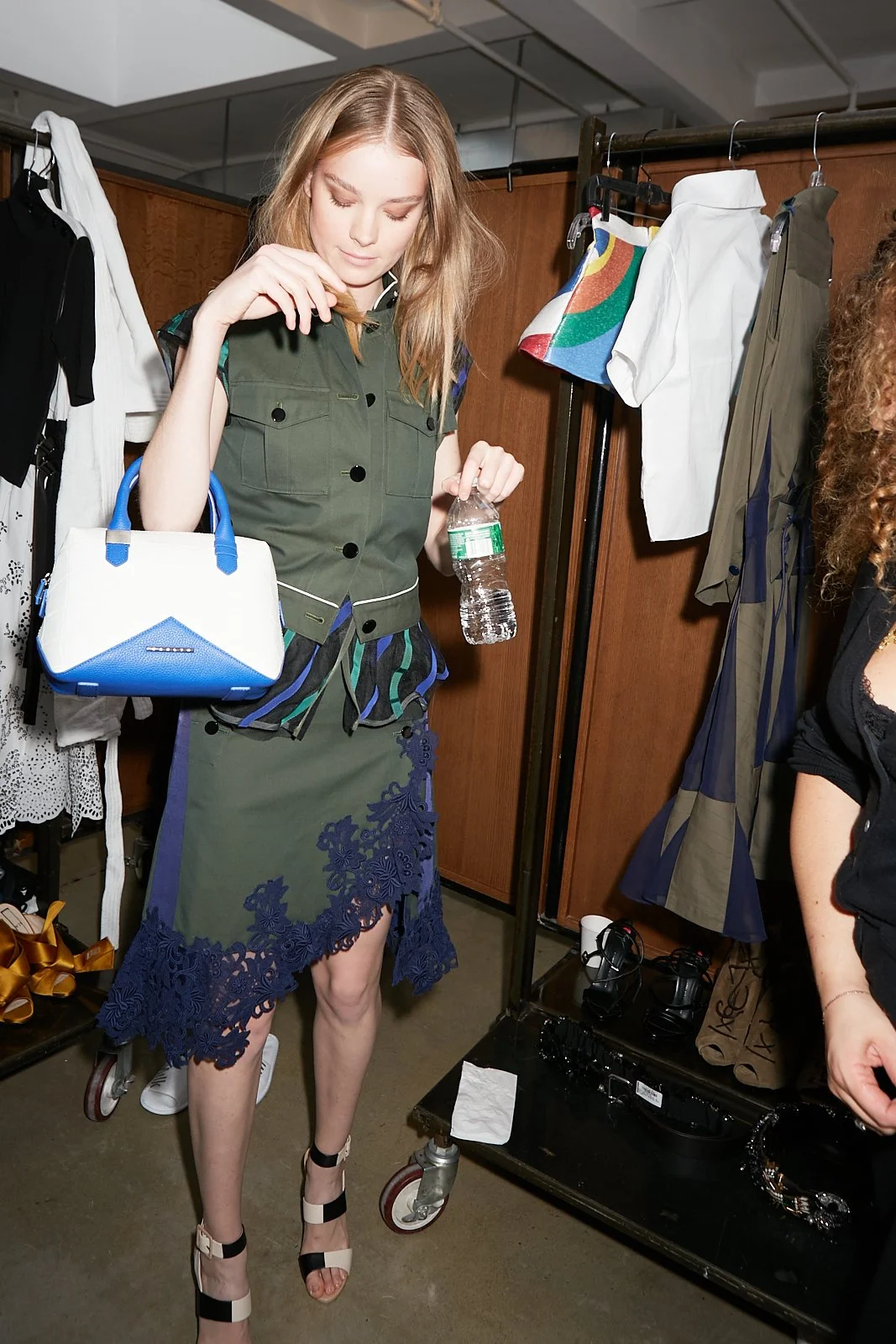
Structured Clothing Calls for Precise, Angular Poses
Structured outfits work best with clear and strong poses. Sharp angles match the clean lines of the clothing.
If the pose is too relaxed, it can clash with the outfit.
Soft and Flowing Fabrics Work With Movement-Based Posing
Flowing clothing works best with movement. It creates natural motion and softness.
The body and fabric should move together to create a balanced image.
Plan Your Wardrobe and Posing Direction Together
Clothing and posing should support the same idea. Planning them together leads to stronger results.
This connection helps create a clear and consistent visual story.
Studio Editorial Posing and Location Editorial Posing Are Not the Same
What a Studio Environment Asks of Your Posing
A studio removes distractions. The focus stays entirely on the subject.
This means every detail matters more. Strong posing stands out clearly. Weak posing becomes obvious.
How Location Changes What Your Body Needs to Do
Outdoor or real locations add context. The environment becomes part of the story.
This allows more natural interaction with surroundings. The posing can feel more relaxed and connected.
How to Prepare Your Body and Mind Before the Shoot Day
Mirror Practice Is Research, Not Vanity
Practicing in front of a mirror helps build awareness. It allows understanding of how the body looks from the outside.
Trying different angles and positions helps identify what works best.
Study Editorial Images for Energy, Not for Poses to Copy
Looking at strong images helps understand mood and feeling.
Instead of copying poses, focus on the energy behind them.
Arrive Knowing Your One Central Intention
Having a clear idea of what to express makes posing easier.
This intention guides every movement and expression during the shoot.
The Difference Between Going Through Poses and Actually Creating Editorial Images
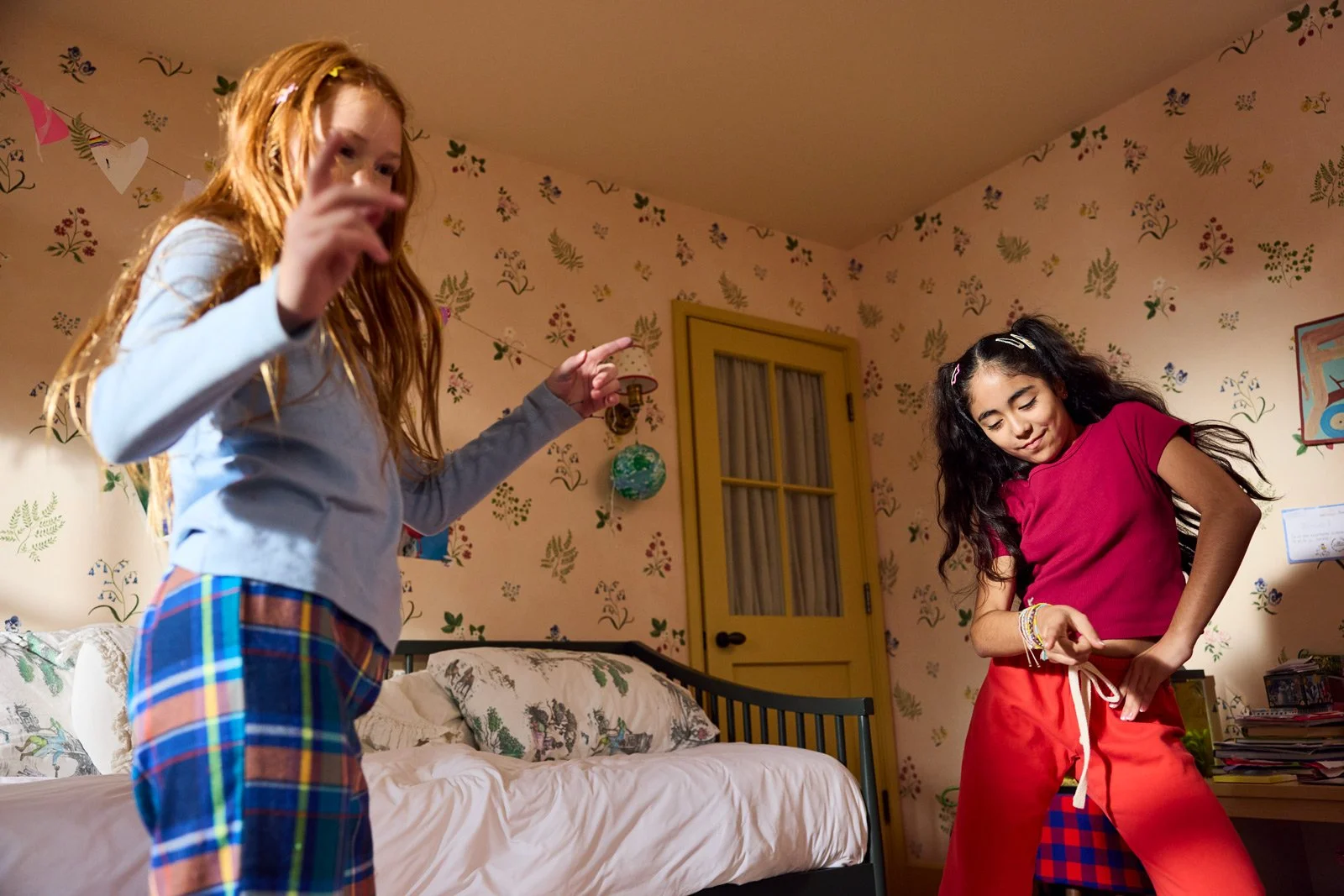
When Posing Stops and Presence Begins
At a certain point, posing becomes natural. The body moves without thinking.
This is when the strongest images are created. The subject feels real instead of staged.
Why the Photographer's Creative Direction Is Half the Equation
Good posing depends on both the subject and the photographer.
Guidance from behind the camera helps bring out natural expression and movement.
What Stays With You After the Session Is Over
The Unexpected Value of Learning to Pose Well
Learning how to pose builds confidence beyond photography.
It improves awareness of posture, expression, and presence in everyday life.
Your Visual Identity Is Already Speaking, Make Sure It Is Saying Something Worth Hearing
All the techniques in this guide work together. Body position, hands, eyes, movement, and intention all shape how a person appears on camera.
Understanding these elements changes how editorial photos turn out. It replaces stiffness with confidence and confusion with clarity.
Book your editorial portrait session with Alyson Aliano Photography in Los Angeles. Walk into the session with intention and leave with images that feel natural, confident and true.
Frequently Asked Questions
Do I need posing experience before booking an editorial portrait session?
No experience is required. A skilled photographer guides every step during the session.
How quickly do people become comfortable posing in an editorial session?
Most people feel more natural within the first 10 to 15 minutes as they adjust to the camera.
What is the single most impactful posing adjustment I can make immediately?
Turning the body slightly away from the camera creates depth and improves the overall look instantly.
How do I know which poses will work for my body type?
The photographer adjusts poses in real time based on what looks best on camera.
Does posing look different for personal branding versus editorial sessions?
The techniques stay the same, but the energy and intention behind the poses may change depending on the goal.