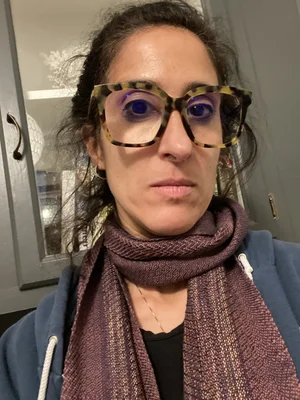
Cinematic Portrait Photography in Los Angeles
Cinematic Portrait Photography in Los Angeles
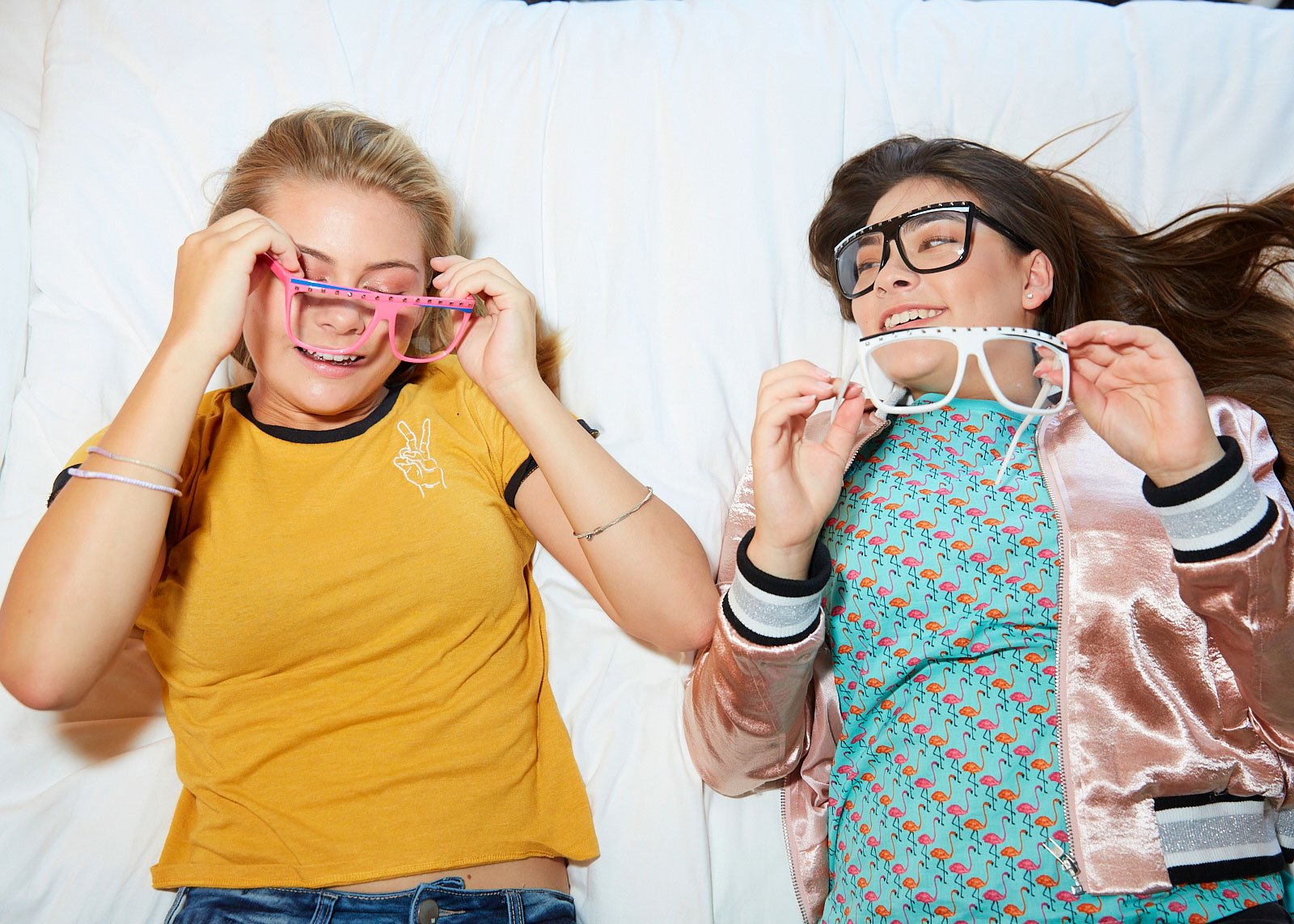
What Makes a Portrait Feel Cinematic?
People often describe photographs as cinematic, but what does that actually mean?
Sometimes a portrait naturally takes on the feeling of a movie still. The light, the setting, or a quiet gesture can create that impression, but for me, that's never the goal.
I'm interested in creating presence. Light, environment, and composition come together to create atmosphere—photographs that invite you in and leave you feeling as though you've spent a moment with the person in front of the camera.
That's why this approach works so well for editorial, media, and press photography.
What Makes a Portrait Feel Right for Editorial, Media, and Press
A portrait for editorial, media, or press often appears alongside a feature story, interview, or profile. Before a single word is read, the photograph creates a first impression.
It should do more than identify the subject. It should reveal something about the person and invite the viewer to keep reading.
Light, Environment, and Atmosphere
Light and environment shape how a portrait feels.
Whether we're photographing in a studio, a workspace, outdoors, or another meaningful location, each choice influences the mood of the image. The setting isn't simply a backdrop—it's part of the photograph.
My approach has been shaped by years of editorial assignments, where a portrait has only a moment to capture attention and complement the story it accompanies.
Creating the Right Portrait
How a portrait is used influences every creative decision.
A magazine feature, an author profile, a podcast interview, and a press kit all ask something different of a photograph. Sometimes natural light and a meaningful environment create exactly the right atmosphere. Other times, a studio offers the simplicity and control the assignment calls for.
There's no formula. Every portrait is shaped by the person, the publication, and the purpose it serves.
Thoughtful Direction
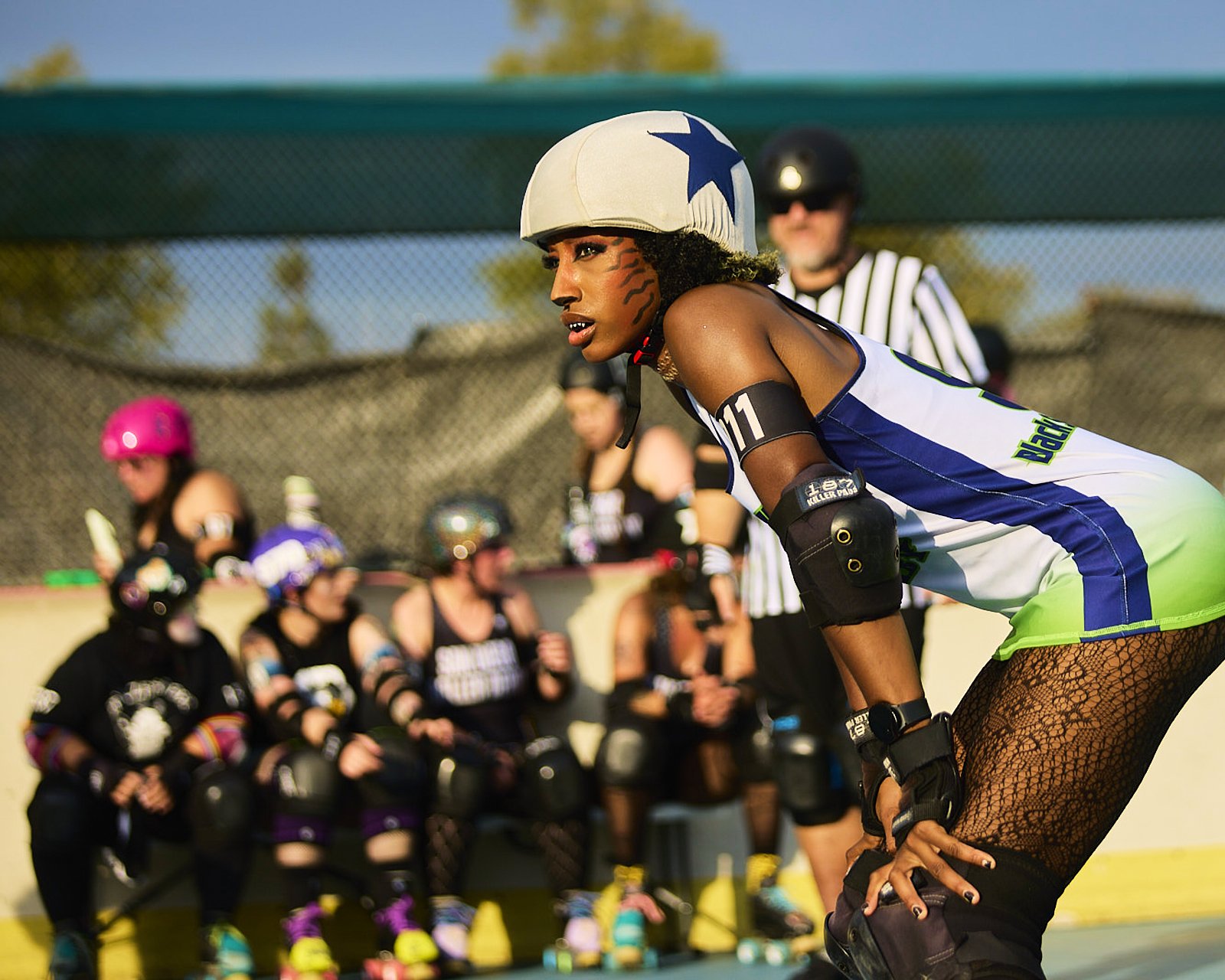
Most people don't spend their days in front of a camera, and that's perfectly normal.
Rather than asking you to "act natural," I'll offer simple direction throughout the session. Small adjustments are often all it takes to create photographs that feel relaxed, confident, and genuine.
Who These Portraits Are For
These portraits are created for authors, entrepreneurs, artists, founders, and other professionals whose photographs accompany interviews, feature stories, speaking engagements, podcasts, websites, and press materials.
What connects them isn't a profession or title. It's the need for photographs that communicate something beyond appearance.
Preparing for Your Session
We'll talk through wardrobe, location, and how the photographs will be used before the session, so when it's time to photograph, you can focus on being present.
A few clothing options are always helpful, but beyond that, you can leave the details to me.
Let's Start the Conversation

Whether you're preparing for an editorial feature, media interview, book launch, or simply updating the way you present yourself professionally, I'd love to hear about your project.
Together, we'll create portraits that feel thoughtful, authentic, and true to you, I'd love to hear more about your project.
Frequently Asked Questions
How do I know if this type of portrait is right for me?
It needs to hold attention on its own, with strong lighting and a clear sense of mood that works across print and digital placements.
Do you shoot in a studio or on location for press portraits?
Both, depending on the story and the publication's needs. We'll decide together based on where the photo is running.
How long should I plan for my session?
Most sessions run around one to two hours, depending on how many looks or setups the piece requires.
What should I wear for a portrait?
Solid colors and simple lines tend to photograph best. I'll walk you through specifics once I know where the photo is being used.
Will my photographs work for print and online publications?
Yes, I deliver files prepared for both print and digital use, so the same session can support several placements at once.