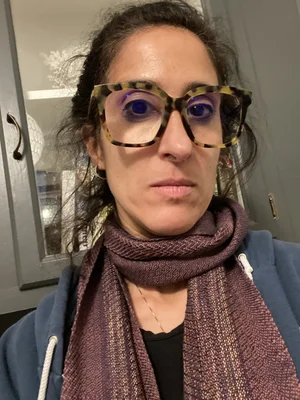
It's Less About Posing Than You Think
The Best Portraits Rarely Feel Posed
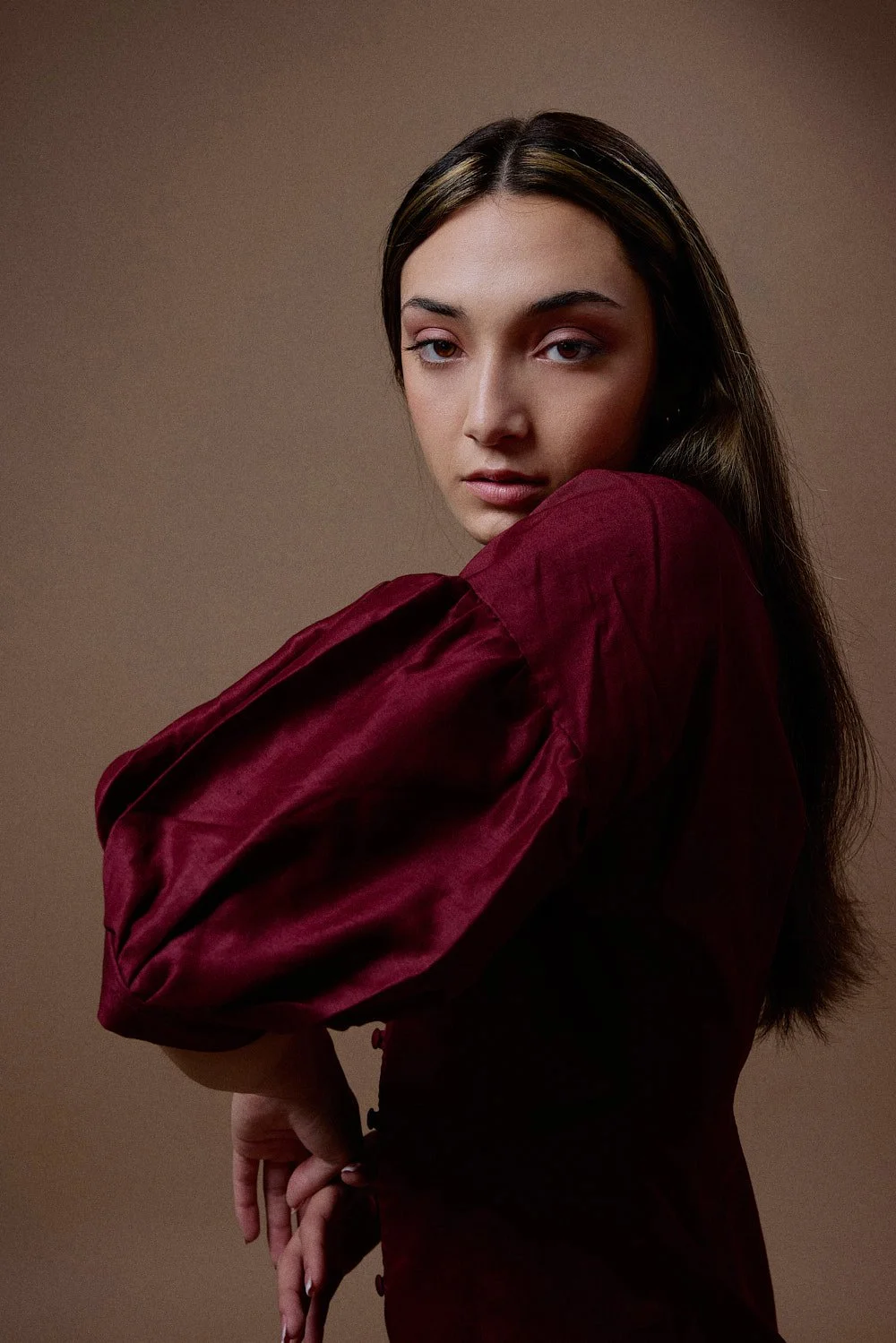
One of the first things people tell me is, "I'm not comfortable in front of the camera."
They worry about what to do with their hands, how to stand, whether they're smiling too much or not enough. They assume they need to know how to pose before they arrive.
The truth is, you don't.
The strongest editorial portraits aren't created by memorizing poses. They're created through collaboration, thoughtful direction, and creating an environment where you can stop thinking about the camera altogether.
After spending my career photographing people for magazines, brands, and editorial assignments, I've learned that the most memorable images usually happen somewhere between the planned moments. A small shift in posture, a genuine expression, a moment when you're simply being yourself.
In this guide, I'll share a few of the things I think about during every portrait session and why posing is only a small part of creating photographs that feel authentic.
Portraits Are About More Than Posing
One of the reasons I love portraiture is that it's never just about where you place your hands or how you stand.
It's about creating photographs that feel like you.
The strongest editorial portraits tell a story. They reveal something about your personality, your work, or simply the way you move through the world. That's what gives an image life.
Most people think they're uncomfortable in front of the camera because they don't know how to pose. I don't think that's true.
People freeze because they're suddenly aware of the camera and unsure of what's expected of them.
That's where thoughtful direction comes in.
Throughout the session, I'll guide you with small adjustments, simple prompts, and conversation that helps you stop thinking about being photographed. As you become more comfortable, your expressions soften, your posture becomes more natural, and the photographs begin to feel less like poses and more like moments.
That's usually when my favorite images are made.
Creating Strong, Natural Portraits
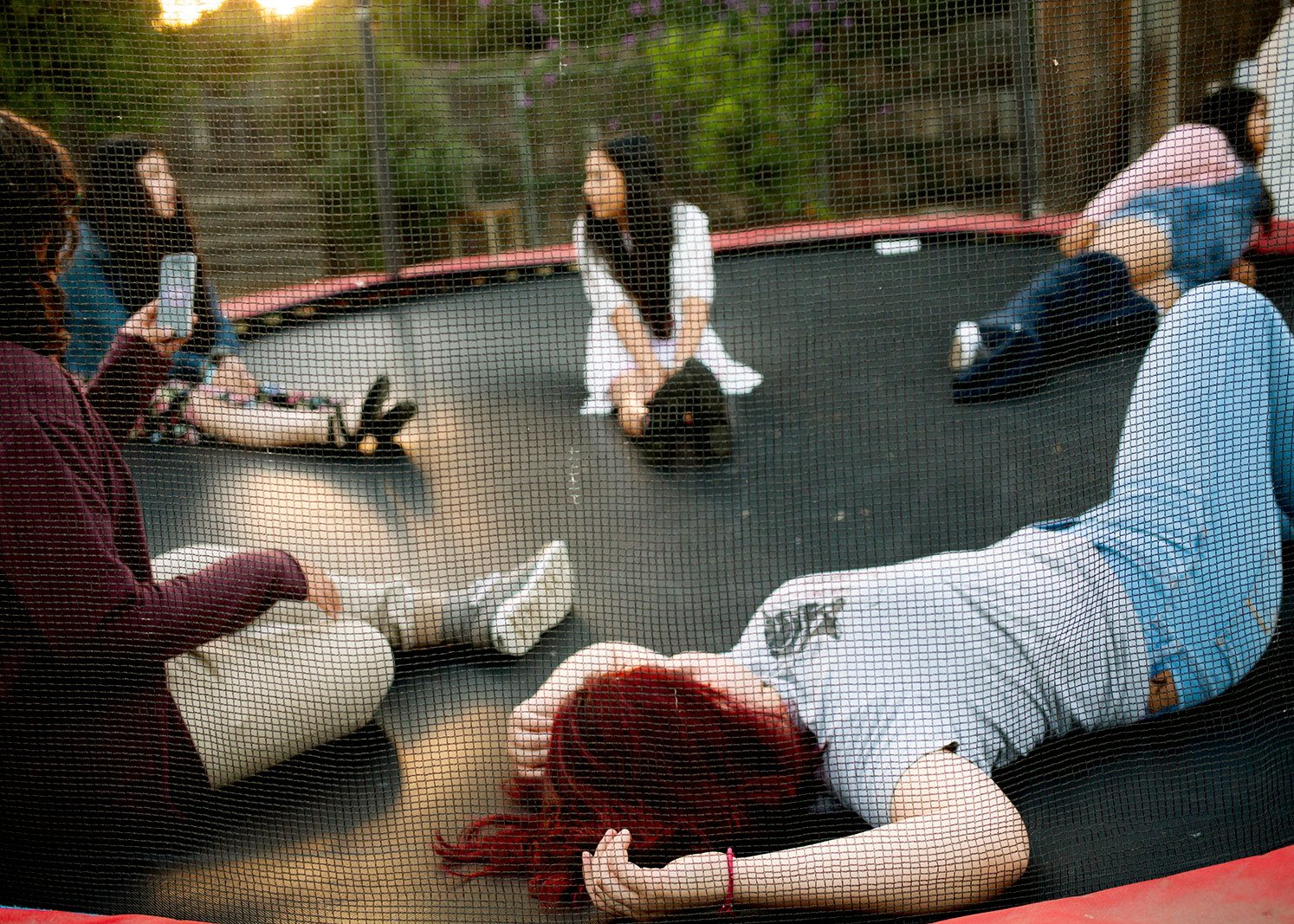
One of the biggest misconceptions about portrait photography is that dramatic poses create stronger images.
In my experience, it's usually the smallest adjustments that make the biggest difference.
A slight shift in your posture, turning your body toward the light, or placing your weight on one foot instead of standing evenly can completely change the way a photograph feels. Those subtle movements create shape, depth, and a sense of ease that never feels forced.
You don't need to think about all of those details during the session. That's my job.
I'll guide you throughout the process, making small adjustments as we go so you can focus on being present instead of wondering where your hands should be or how you should stand.
The result is a portrait that feels relaxed, natural, and unmistakably you.
What do I do with my hands?
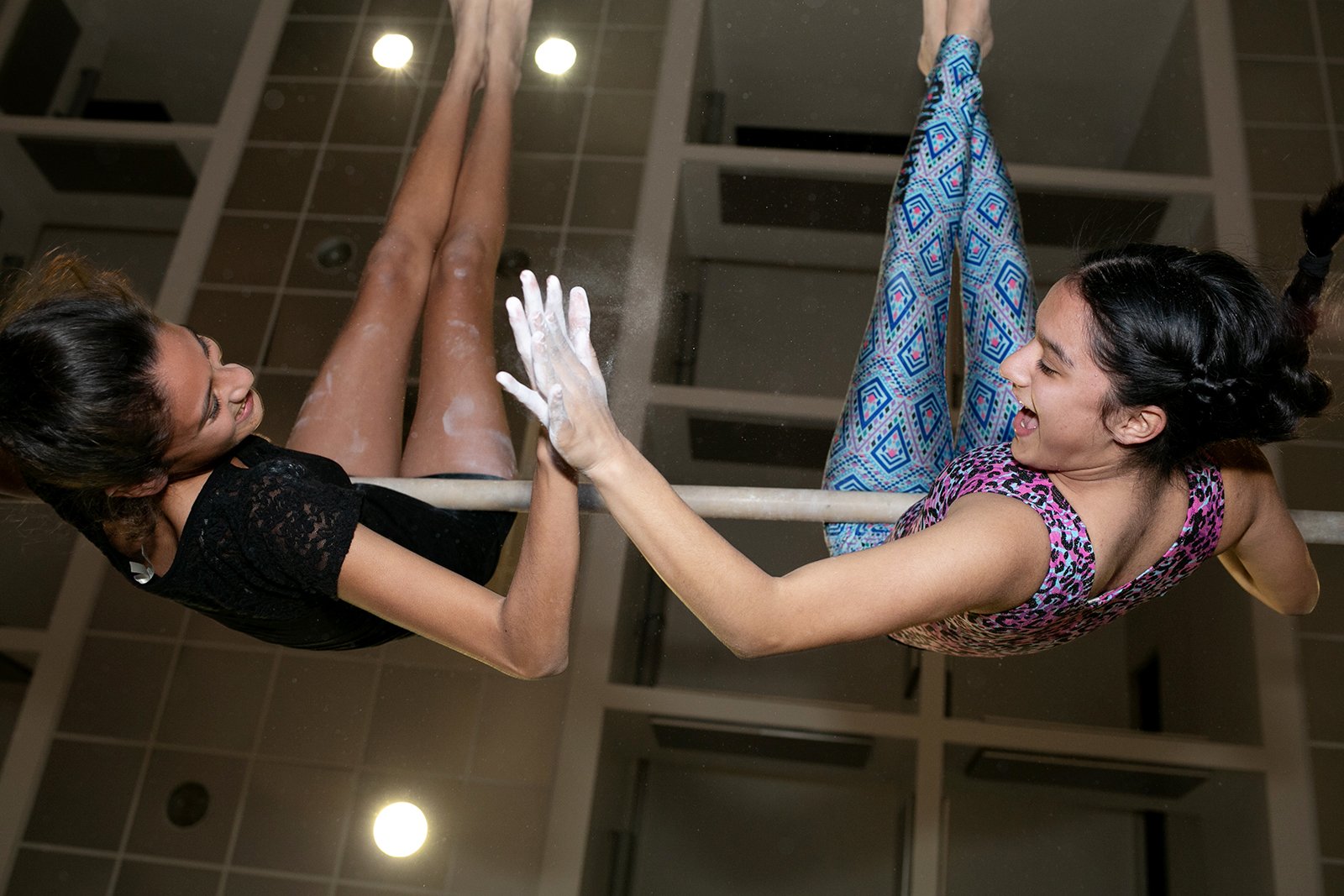
It's probably the question I hear most during a portrait session:
"What do I do with my hands?"
The answer is usually much simpler than people expect.
Hands feel awkward when they're disconnected from the rest of your body. As soon as they have something natural to do, whether that's resting in a pocket, lightly touching your jacket, holding a pair of glasses, or simply responding to your movement, they stop feeling like something you have to think about.
Throughout the session, I'll guide you with small adjustments so your hands feel relaxed and natural rather than posed.
The goal isn't to create perfect hand placement. It's to create photographs where you're no longer thinking about your hands at all.
How to Feel Comfortable in Front of the Camera
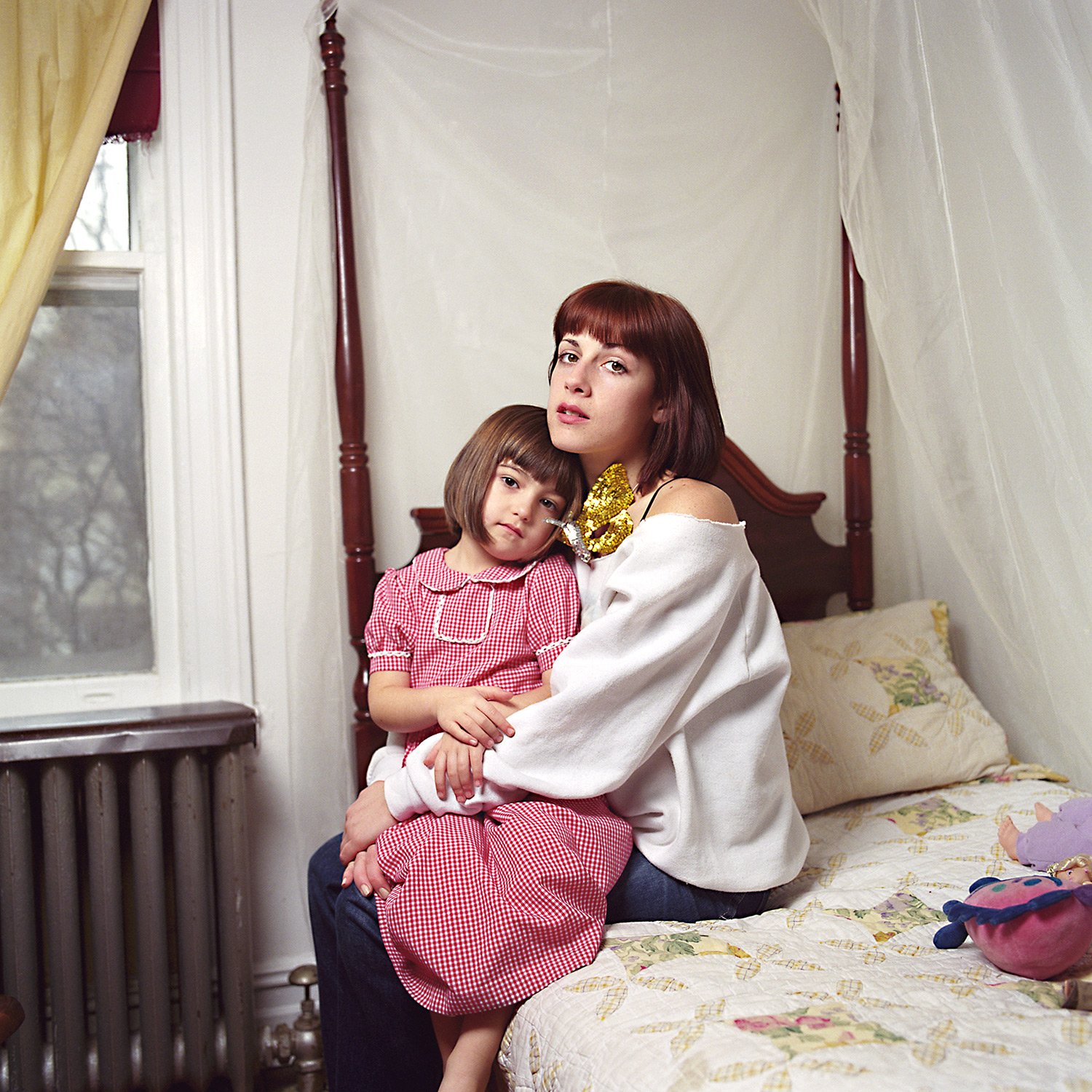
You Don't Have to Figure It Out Yourself
One of the biggest misconceptions about being photographed is that you need to know what to do before you arrive.
You don't.
My job is to notice the small details so you don't have to think about them. A slight shift in your posture, where your eyes are focused, the angle of your chin, or the way the light falls across your face can completely change the feeling of a portrait.
Sometimes I'll ask you to look directly into the camera. Other times I'll ask you to look just past it. Both create something different, and together we'll find what feels most natural for you and the story we're trying to tell.
The same goes for expression. I'm never looking for a perfect smile. I'm looking for the moment when you stop thinking about being photographed and simply become present.
Those are the photographs people connect with.
Using Movement to Create Natural Portraits
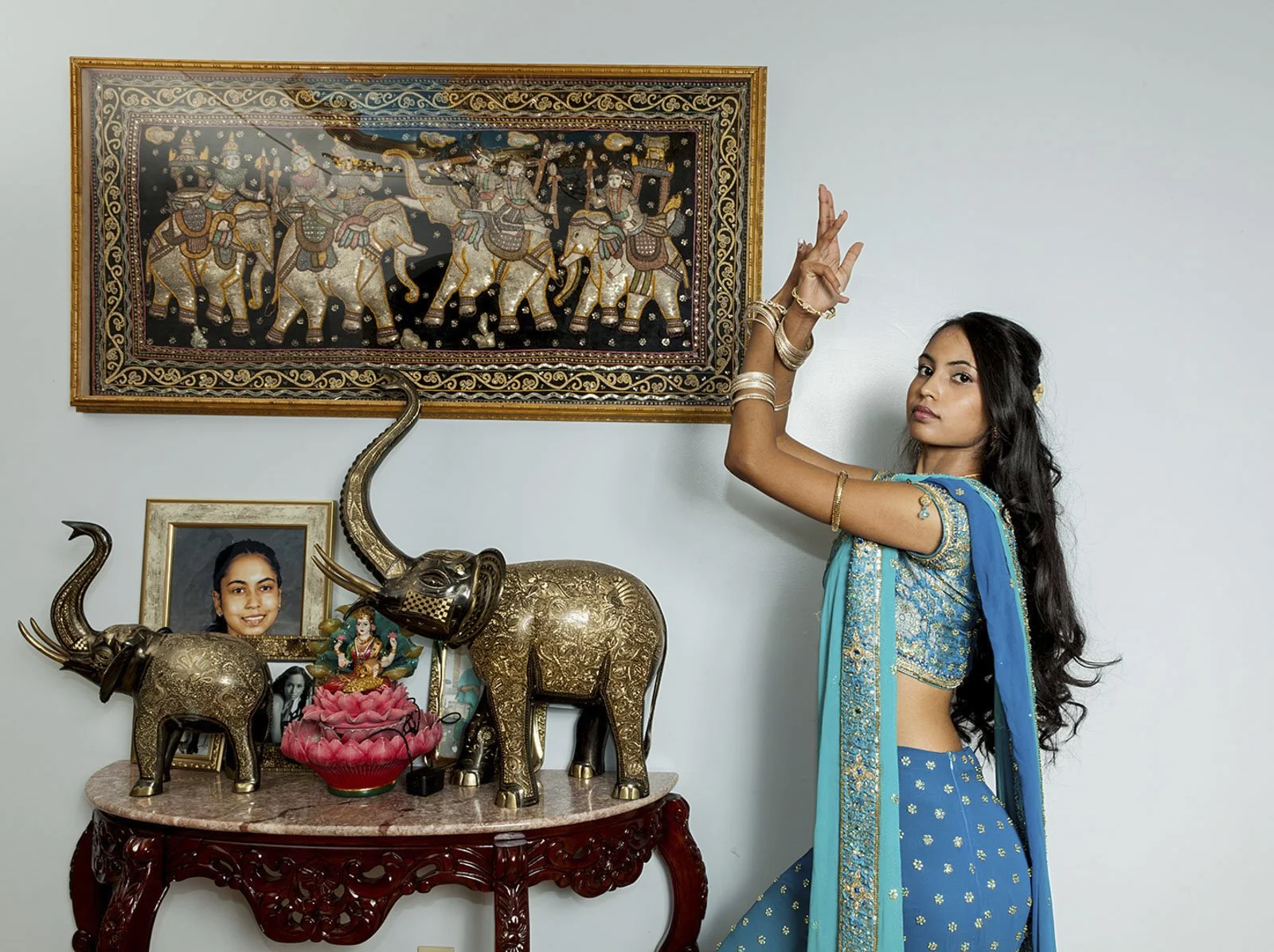
Some of my favorite photographs happen in the moments between poses.
When you stop thinking about where your hands are or whether you're standing the "right" way, something shifts. You move more naturally, your expression softens, and the photographs begin to feel less like poses and more like moments.
I'll often ask you to walk, turn toward the light, or simply keep moving. Those small, natural movements create subtle changes in posture and expression that can't be forced.
The goal isn't constant movement. It's creating enough space for something genuine to happen.
Those are usually the images people connect with most.
Your Wardrobe, Location, and Movement Work Together
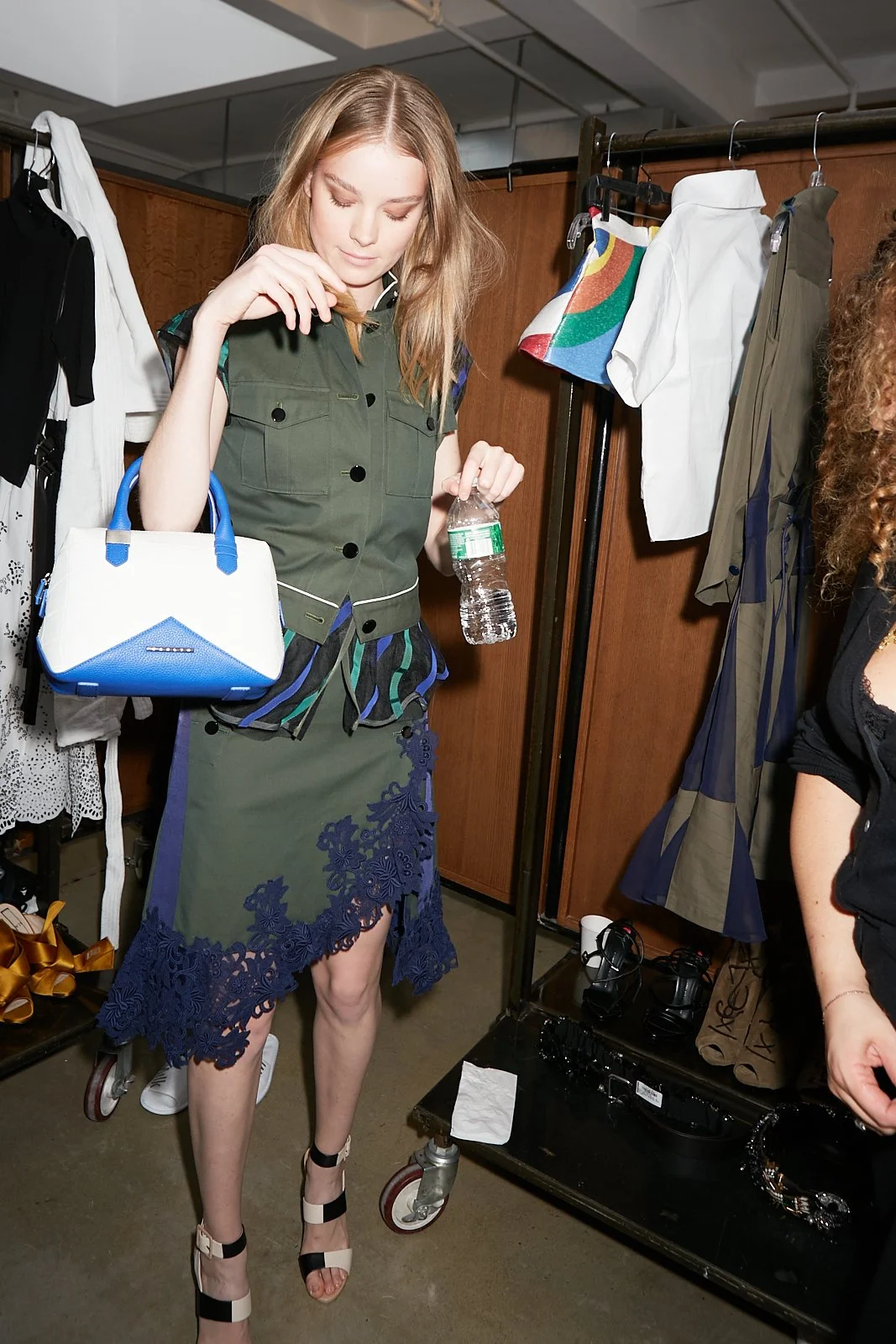
One of the things I think about before every session is how everything works together.
The clothing you choose, the location, the light, and the way you naturally move all influence the feeling of the final photographs.
A tailored jacket may lend itself to a quieter, more structured portrait, while softer fabrics often come alive with movement. A studio session creates a different mood than photographing outdoors or in a meaningful space.
Rather than thinking about posing as a set of rules, I think about creating photographs where every element supports the same visual story.
That's why we'll talk through wardrobe, location, and the overall aesthetic before we ever begin photographing.
Every Environment Tells a Different Story
Whether we're photographing in a studio or on location, the environment becomes part of the portrait.
A studio creates a clean, timeless setting where the focus stays entirely on you. On location, the surroundings add another layer to the story, giving the photographs context and a sense of place.
Neither approach is better than the other. Together, we'll choose the setting that best reflects you, your work, and the visual aesthetic we want to create.
Preparing for Your Session
You don't need to memorize poses before your session.
If you'd like to prepare, spend a little time looking at photographs you're drawn to. Rather than focusing on copying a pose, notice what you respond to. Is it the light? The mood? The styling? The feeling of the image?
Sharing those references helps us identify the visual aesthetic you're drawn to and gives us a place to begin.
From there, I'll guide you through the rest.
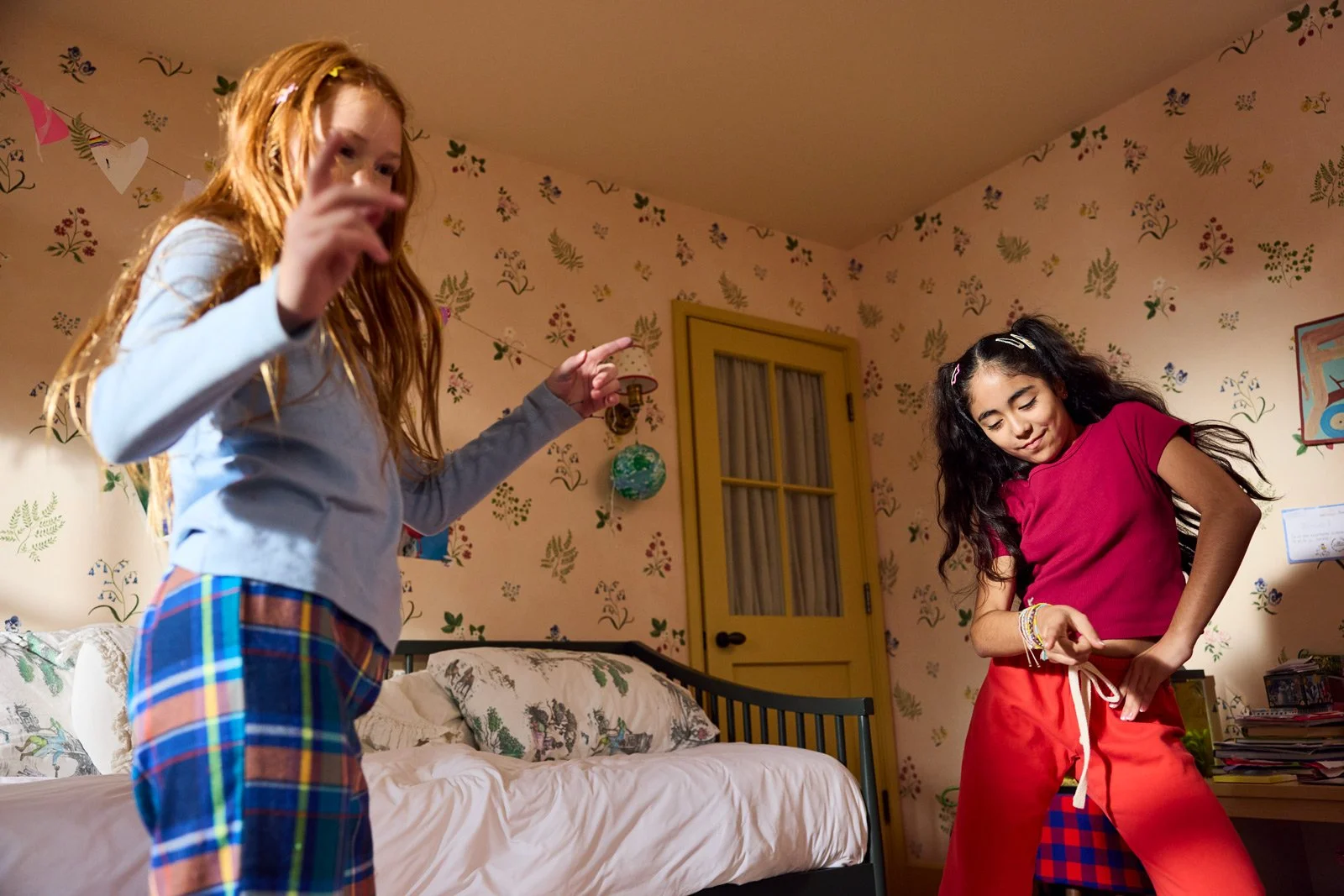
The Best Portraits Feel Like You
By the end of a session, most people stop thinking about posing altogether.
They're no longer wondering where to put their hands or whether they're standing the right way. They're simply present, and that's when the photographs begin to feel natural.
You don't have to arrive knowing how to pose. That's never been the expectation.
My role is to guide you through the process, create an environment where you feel comfortable, and make photographs that reflect who you are, not who you think you're supposed to be.
You don't have to arrive knowing how to pose. I'll guide you through the process, help you find what feels most natural, and together we'll create portraits that reflect who you are.
If you're thinking about an editorial portrait session or have questions about the process, I'd love to hear from you. Email me
Frequently Asked Questions
Do I need experience in front of the camera?
Not at all. I'll guide you throughout the session, so you never have to worry about knowing how to pose.
How should I prepare?
Bring a few wardrobe options and any inspiration images you love. We'll use them to identify the visual aesthetic that feels right for you. Get a good night sleep!
Still have questions?
Feel free to email me. I'm always happy to answer your questions and help you decide if an editorial portrait session is the right fit.