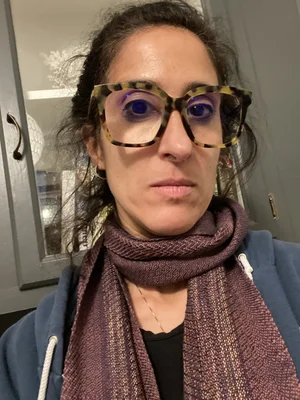
Los Angeles Editorial Branding Photographer
Los Angeles Editorial Branding Photographer
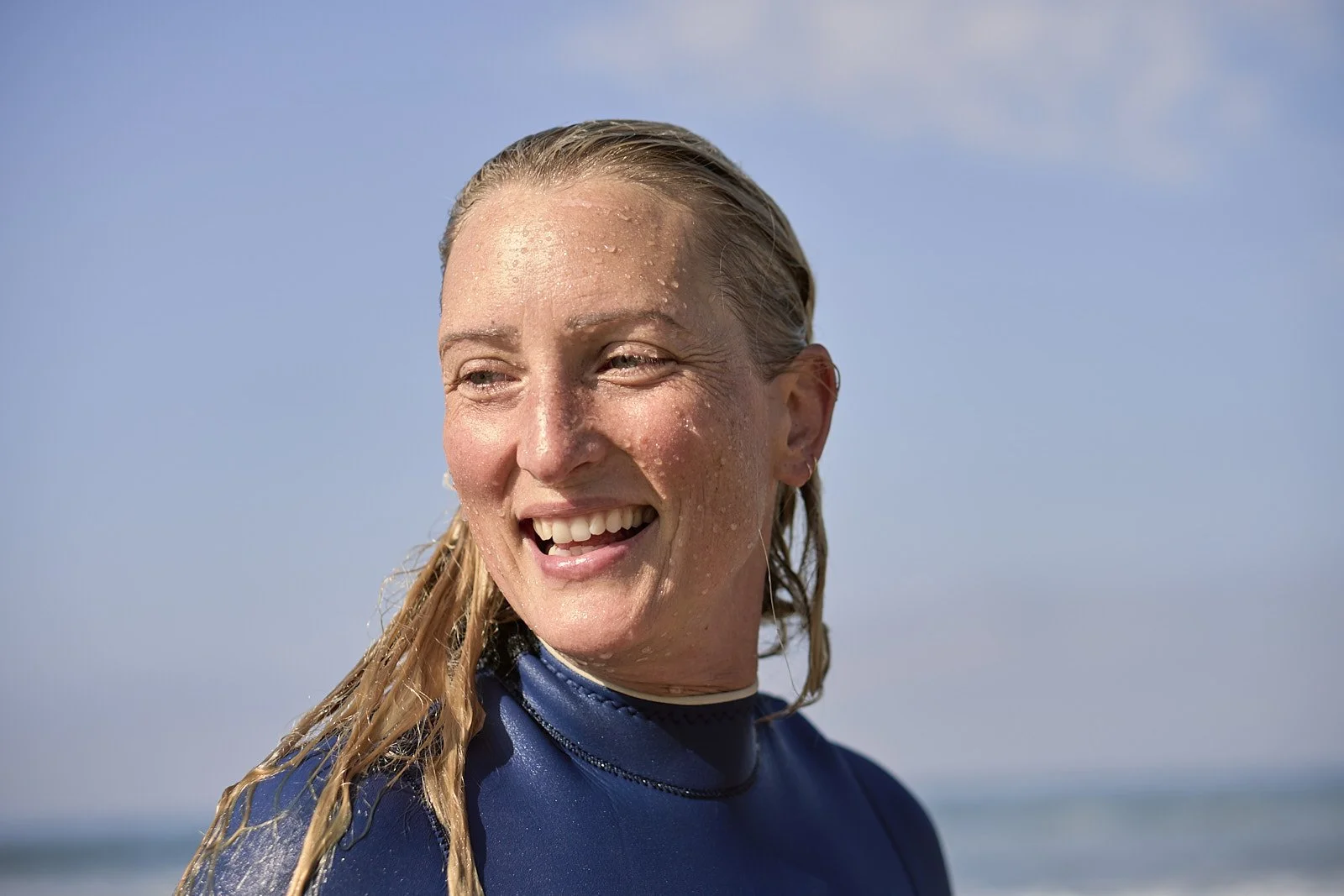
Los Angeles Editorial Branding Photographer: A Thoughtful Approach
Your portrait is often the first introduction people have to you. Before someone reads your biography, visits your website, or meets you in person, they've already formed an impression through a photograph.
The question is: does that photograph actually feel like you?
A successful portrait does more than show what someone looks like. It communicates something about who they are—their personality, their work, and the experience of being in the room with them.
That's what draws me to an editorial approach to branding photography.
Rather than creating a collection of polished images, I work collaboratively with each client to create photographs that feel authentic, intentional, and distinctive. Every decision—from location and wardrobe to lighting and composition—supports the story we're trying to tell.
In a city like Los Angeles, where we're surrounded by beautiful imagery every day, simply looking professional isn't enough. The photographs that stay with us are the ones that reveal something genuine. They invite curiosity. They create connection. And they leave a lasting impression.
What Makes a Portrait Memorable?
A well-made photograph is only the beginning.
Good lighting, thoughtful composition, and technical skill are essential, but they aren't what people remember. The photographs that stay with us reveal something about the person in front of the camera. They communicate confidence, curiosity, warmth, or quiet strength before a single word is spoken.
That doesn't happen by accident.
It's the result of thoughtful collaboration and hundreds of small decisions made throughout the process. Long before the session begins, we talk about your work, your goals, and the story you want your photographs to tell. During the shoot, I'm paying attention not only to the light and composition, but also to the moments that feel genuine—the expression that isn't forced, the gesture that feels natural, the brief moment when your personality comes through.
Those are the photographs that people connect with.
Technical skill is something every professional photographer should bring to the table. What makes the difference is the ability to create images that feel authentic, intentional, and unmistakably yours.
Why an Editorial Approach Matters in Los Angeles
Los Angeles is a city where photographs carry a great deal of weight.
Whether you're an entrepreneur, an executive, an artist, or someone working in entertainment, your portrait is often your first introduction. It appears on your website, LinkedIn profile, social media, speaking engagements, and in the press. Long before someone meets you, they've already formed an impression through an image.
That's why creating a strong portrait is about more than technical skill.
Beautiful light and thoughtful composition are important, but they aren't enough on their own. The photographs that resonate are the ones that feel authentic. They communicate confidence, personality, and a sense of purpose. They invite people to learn more.
An editorial approach allows us to create photographs that do more than document your appearance. Together, we create images that reflect who you are, the work you do, and the experience of working with you.
Choosing a photographer isn't simply about finding someone who can make a beautiful picture. It's about finding someone who can help tell your story with honesty, intention, and care.
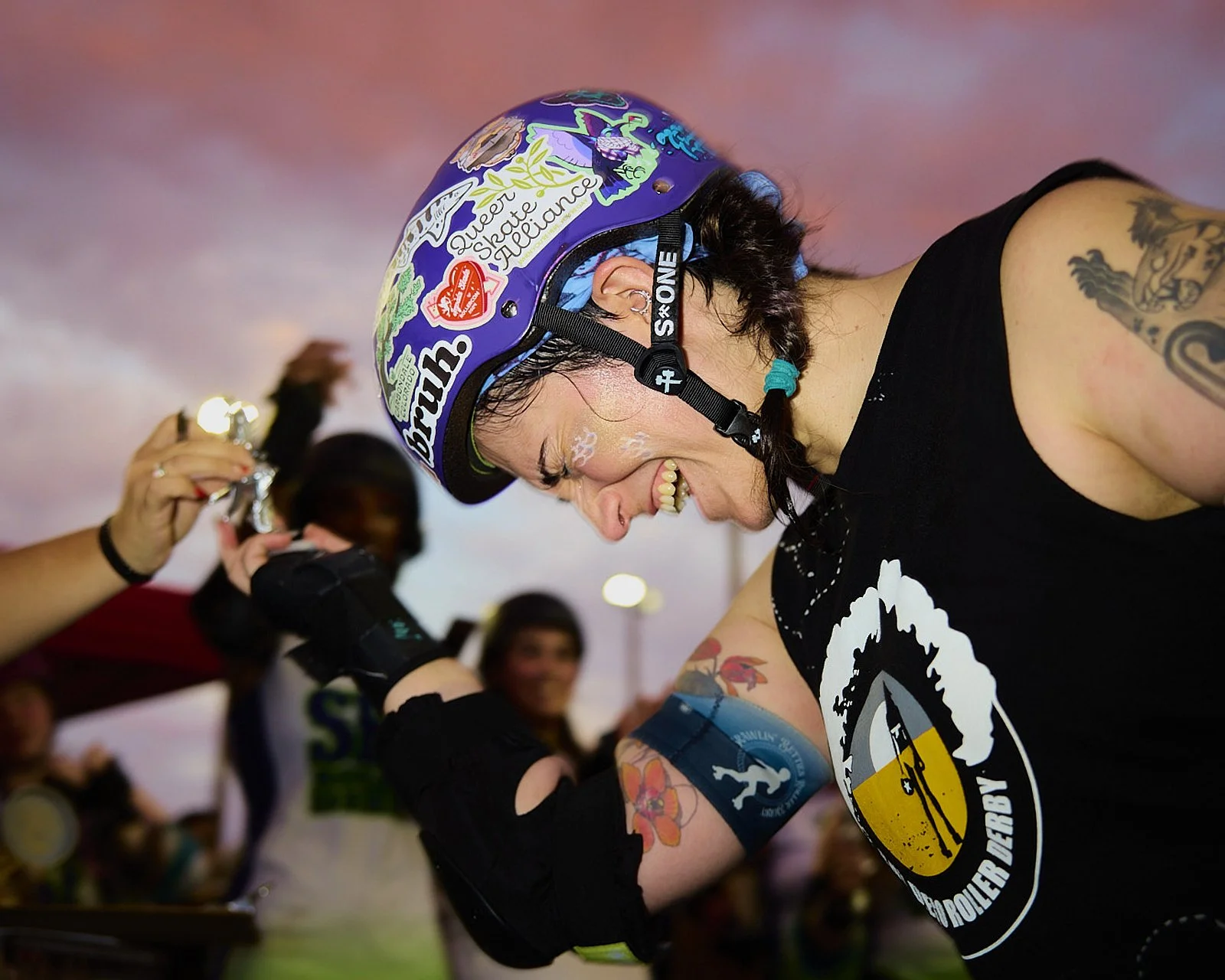
Alyson Aliano – An Editorial Approach to Branding Photography

Alyson Aliano – An Editorial Approach to Branding Photography
My work has always been rooted in storytelling.
An Editorial Approach to Portrait Photography
Whether I'm photographing an entrepreneur, an artist, an executive, or a family, I'm interested in creating photographs that reveal something beyond appearance.
Every session begins with a conversation. Who are you? What work do you do? How do you want people to experience you? Those conversations become the foundation for every creative decision that follows.
My approach is rooted in editorial photography, where every photograph is created with intention. Throughout my career, I've photographed assignments for publications including The New York Times Magazine, Time, Rolling Stone, Wired, and New York Magazine. What those experiences taught me is that the strongest portraits don't simply flatter the subject—they tell a story.
Together, we think about location, wardrobe, light, composition, and pacing. Each choice helps shape the way your photographs feel and what they communicate. There isn't one formula that works for everyone because every person brings something different to the session.
Light, in particular, plays an important role. Sometimes soft, natural light creates a sense of openness and warmth. Other times, more directional light adds strength, focus, or quiet drama. The goal isn't to create a particular style. It's to choose the light that best supports your story.
Whether I'm photographing an entrepreneur building a personal brand, an executive preparing for a keynote, or an artist promoting a new body of work, the process is always collaborative. My role is to create an environment where you feel comfortable enough for your personality to emerge naturally.
The same philosophy carries through to retouching. I believe the best retouching is invisible. It removes distractions without changing the qualities that make you recognizable as yourself. When it's done well, people don't notice the retouching. They notice the person.
In the end, my goal isn't simply to deliver a collection of beautiful portraits. It's to create a body of work that reflects your personality, communicates your values, and helps people connect with you before you've said a word.
The best photographs don't just show what you look like. They tell your story.
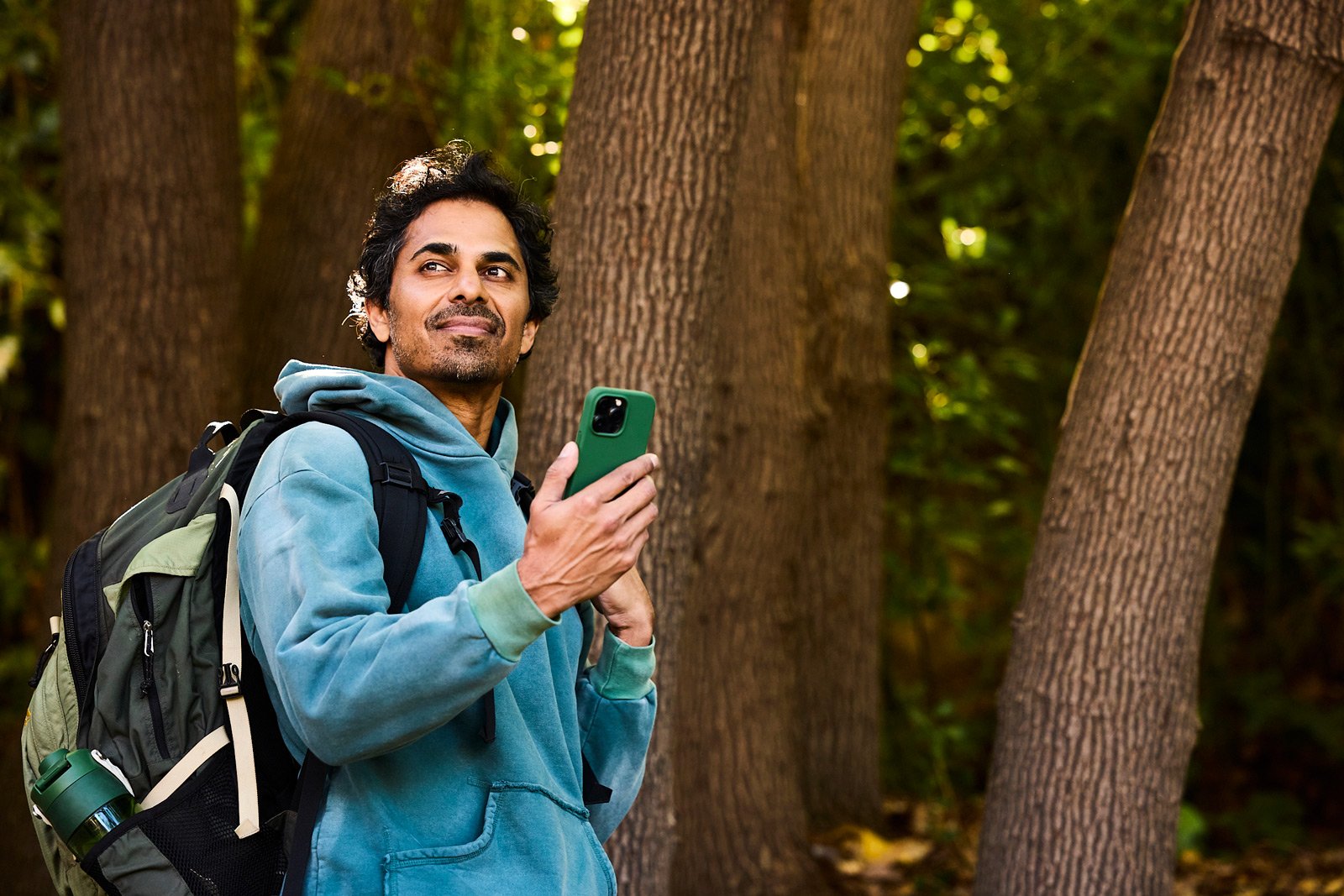
Who I Photograph
One of the things I love most about my work is that no two sessions are alike.
Over the years I've photographed entrepreneurs launching new businesses, executives leading global companies, artists, actors, authors, families, and people whose work doesn't fit neatly into any category. While their professions may be different, they all come to me for the same reason: they want photographs that feel authentic and communicate who they are.
An executive may need portraits for a company website, speaking engagements, or an annual report. An entrepreneur may be building a library of images for a new brand or website. An actor needs photographs that feel honest and reveal personality without feeling posed. An artist wants portraits that reflect their creative voice.
Although every session has different goals, my approach remains the same.
We begin with a conversation about your work, your audience, and how you want people to experience you. From there, every creative decision—location, wardrobe, light, composition, and pacing—is made with that story in mind.
The goal isn't to fit you into a particular style. It's to create photographs that feel like an authentic extension of who you are.
Why It Matters
The photographs you use become part of how people experience your work.
They introduce you on your website, LinkedIn profile, social media, speaking engagements, press features, and marketing materials. Often, they're the first impression someone has before you've had the opportunity to meet.
When your photographs feel authentic and aligned with who you are, they create trust. They invite people to engage with your work and help tell your story before you've said a word.
That's why I think of branding photography as more than creating individual portraits. Together, we create a collection of images that supports your work wherever it appears.

Choosing the Right Photographer
Finding the right photographer is about more than looking at a portfolio.
Technical skill is important, but it should be the starting point, not the deciding factor. Beautiful light, thoughtful composition, and professional retouching are qualities every experienced photographer should bring to a session.
What really makes the difference is the experience of working together.
Does the photographer take the time to understand your work and your goals? Do they ask thoughtful questions before the session begins? Can they adapt their approach to reflect your personality rather than relying on the same formula for every client?
I also encourage people to look closely at a photographer's body of work. Do the photographs feel consistent while still allowing each person to look like themselves? Can the photographer move comfortably between entrepreneurs, artists, executives, and families without making everyone look the same?
For me, the most successful portraits come from collaboration. When you feel comfortable, understood, and genuinely seen, the photographs naturally become more authentic. Those are the images that people remember.
Your Portrait Is Often the Beginning of the Conversation
Long before someone meets you, they've already met your photograph.
It appears on your website, your LinkedIn profile, in press features, speaking engagements, social media, and the countless places where people discover your work. Those images become part of how you're introduced to the world.
The question is: do they feel like you?
The strongest portraits aren't simply beautiful. They communicate something genuine about the person in front of the camera. They create curiosity, build trust, and invite connection before a single word is spoken.
That's the goal I bring to every session.
Whether I'm photographing an entrepreneur, an executive, an artist, or a family, my approach is always collaborative. Together, we create photographs that reflect who you are, the work you do, and the story you want to tell.
If you're looking for editorial branding photography in Los Angeles and want images that feel authentic, intentional, and uniquely yours, I'd love to hear about your project.
Because the best portraits don't just show people what you look like.
They help people understand who you are.
Frequently Asked Questions
Frequently Asked Questions
Q: How do I choose the right portrait photographer in Los Angeles?
A: Start by looking beyond the portfolio. Beautiful photographs are important, but so is the experience of working together. Ask yourself whether the photographer's work feels consistent while allowing each person to look like themselves. Do they take time to understand your goals? Does their process feel collaborative? The strongest portraits come from photographers who are interested in telling your story, not simply taking your picture.
Q: Who is editorial branding photography for?
A: I work with entrepreneurs, executives, artists, authors, actors, and creative professionals—anyone whose work is closely connected to their personal identity. If your photographs introduce you before you have the opportunity to meet someone, thoughtful, authentic imagery can make a meaningful difference.
Q: What happens before the photography session?
A: Every session begins with a conversation. We'll talk about your work, your audience, where the photographs will be used, and the story you want them to tell. From there, we'll choose locations, discuss wardrobe, and develop a plan that feels authentic to you. That preparation allows us to spend the session focused on creating natural, engaging photographs rather than wondering what to do next.
Q: How often should I update my branding portraits?
A: Most people refresh their portraits every two to three years, or whenever there's been a meaningful change in their career, brand, or appearance. If you've launched a new business, stepped into a leadership role, published a book, redesigned your website, or simply feel your current photographs no longer reflect who you are, it's probably time for a new session.