How a photo series comes together: My Approach to Narrative Photography
How a photo series comes together: My Approach to Narrative Photography
The way I make photographs and portraits has changed quite a bit over the years.
The camera is only one part of it. Before I decide how to photograph something, I'm thinking What is the story? What is the vibe? How does this need to be photographed, and what do I need technically to make that happen?
My approach has evolved through years of making photographs and learning what works for different people, stories, and situations.
Early in my career, I photographed portraits with a Nikon 35mm film camera and a Hasselblad 6×6. I loved the Hasselblad, particularly the Zeiss lens and the way the camera allowed me to work. As a left-handed, left-eye-dominant photographer, I was also drawn to the fact that it wasn't designed right-handed, as most cameras are held.
As photography moved toward digital, working with film became increasingly difficult for assignments. Clients didn't always want the additional time and expense of processing film, and eventually, about ten years ago, I sold my Hasselblads and moved fully into digital.
That change ended up influencing my work in ways I hadn't expected.
When I'm working on longer projects, there are often moments when I need to move quickly. I may not have time to set up a lot of equipment, and I need to stay present and responsive to what's happening. Digital photography, and particularly the 35mm format, gave me that flexibility.
I could photograph quickly, make more frames, stay engaged with the person and the environment, and make decisions about the larger story later. I would also note that a large digital file size, such as the Canon R5 and Fuji GFX, allow to to shoot a large file, crop into it later and still have a high resimage.
Choosing the Right Approach
Choosing how I photograph something depends on what's in front of me, what resources I have at my disposal, such as how much time the subject has, the client's budget, and if I have crew supporting me.
Sometimes I have plenty of time to explore a location and work through different ideas. Other times, I have fifteen minutes and need to make decisions quickly.
All that aside, first, I'm assessing the environment. What are the colors? I first respond to color.
Then I look at where the light is. My philosophy is : if there is gorgeous natural light, do not mess with it.
Then, what's happening in the background? If it is distracting, I try to think of another place.
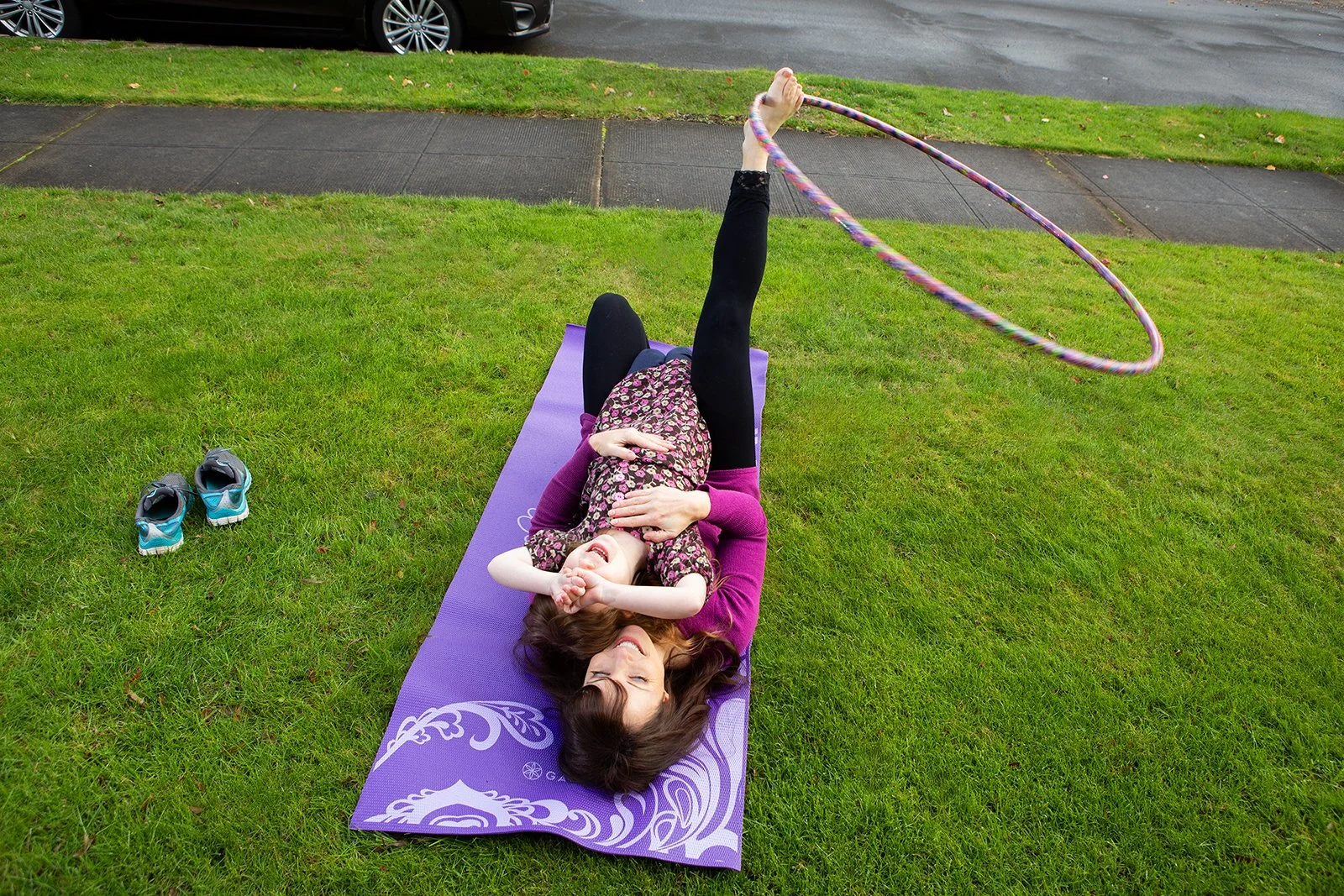
Lastly, What is the person wearing and are there wardrobe options? When I am working with real people, I ask them to bring options. During my project, Real Mother, I suggested bright solid color, as I am inspired by Pop Art, and no pure white, blacks and no logos.
Many situations can produce strong photographs. It's about adjusting the approach.
I want the equipment to support the photograph. The same is true of the way I work. I'm constantly assessing what's happening and making decisions based on what the photograph needs.
Basically, this is how my brain works when I am shooting on location.
How I think about composition
I'm always thinking about where the eye first lands in a photograph.
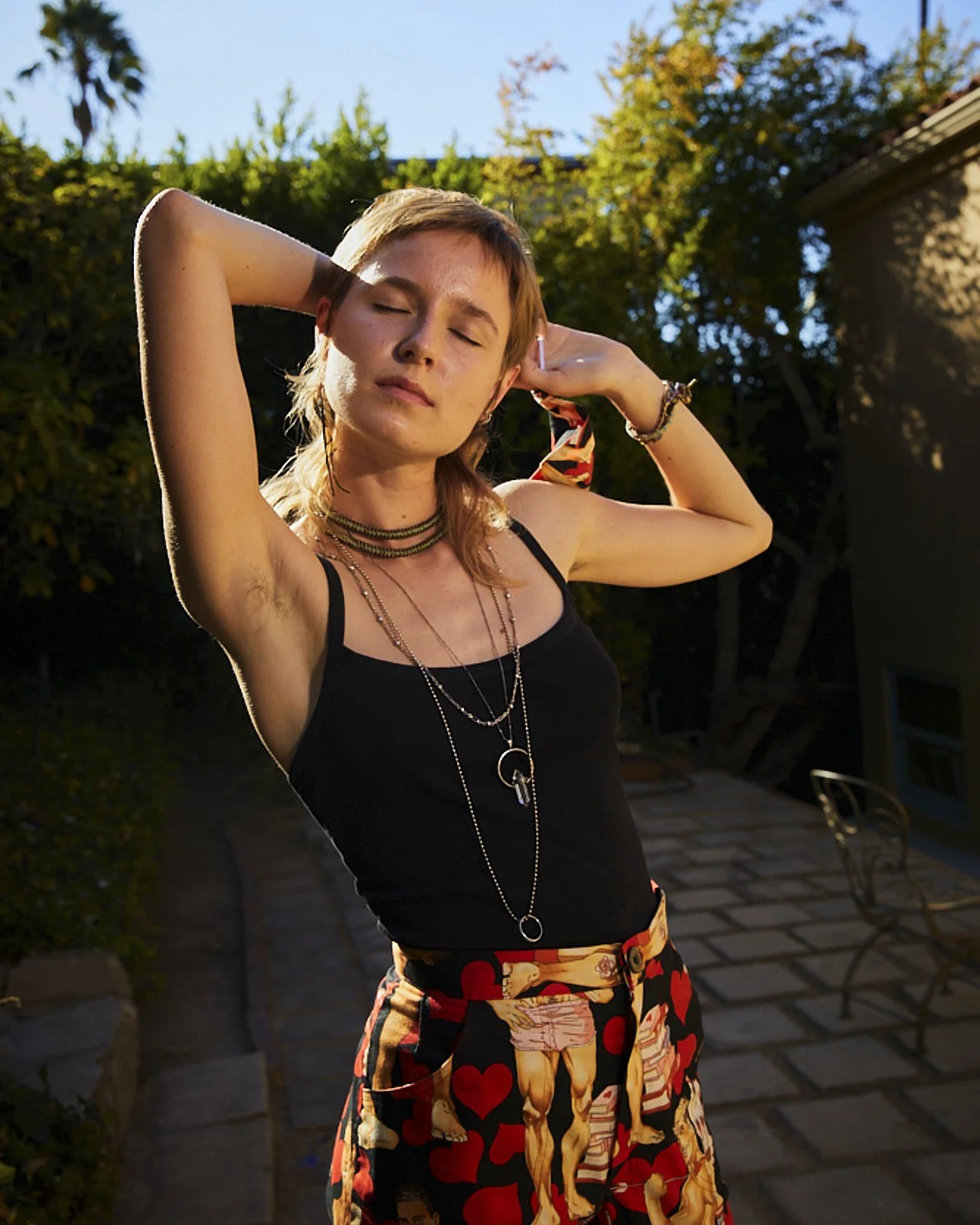
I am always shooting people. The person should remain the focus, while the environment, light, and composition support them rather than compete for attention. I love environmental portraits, the setting is an important part of the photograph. The environment is sometimes saying as much as the person and their expression.
Sometimes, I want there to be enough information in the frame to give the image context, but not so much that it takes us away from the person.
Sometimes that means a quieter, almost minimal environment, like the suggestion of furniture, or a neutral background, such as a backdrop.
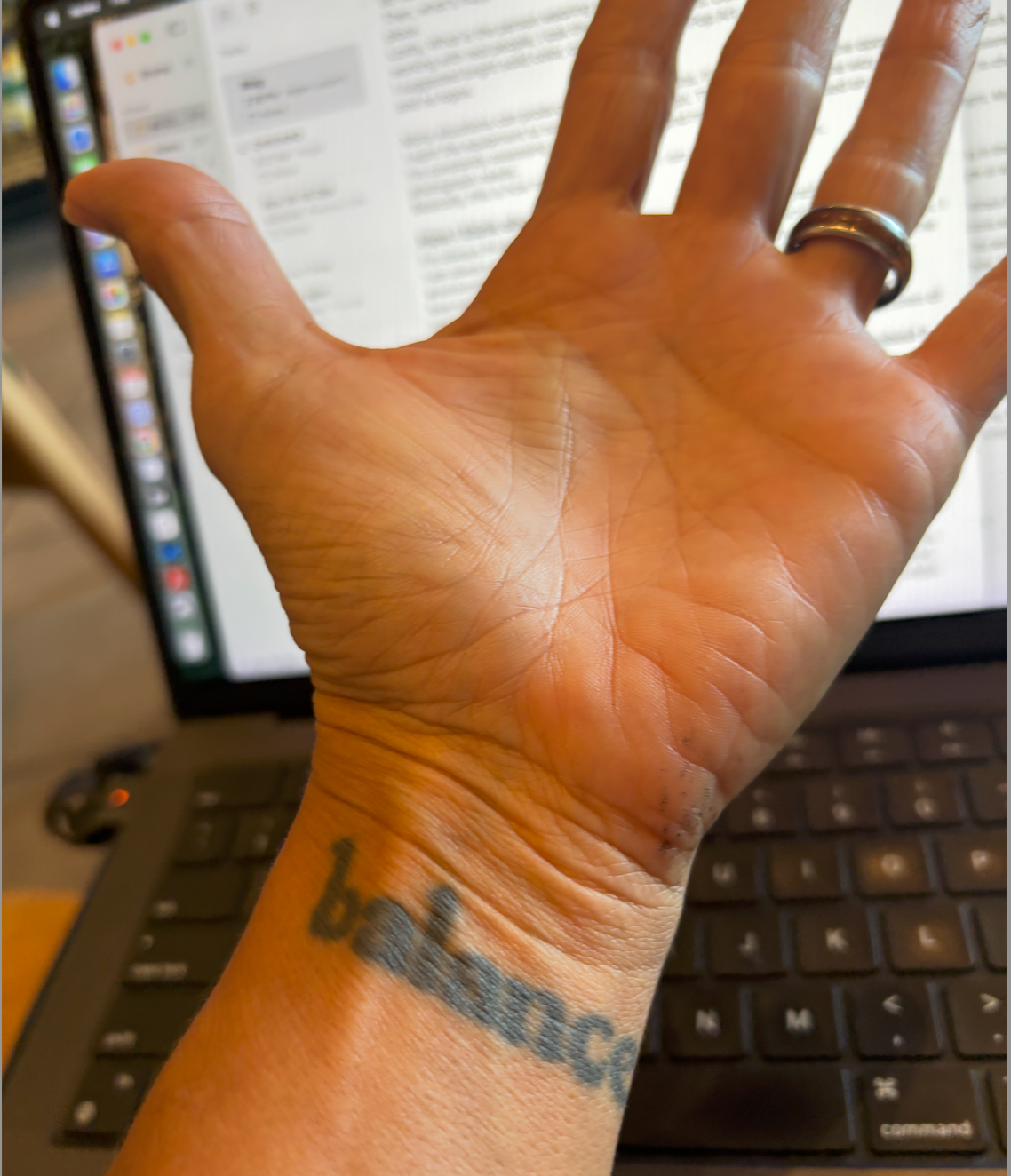
Balance, not only is it tattooed on my left wrist, I am visually thinking about it when making all photos.
How a series of photographs unfolds:
Let's talk specifically about a narrative series of photos, I like to make a series of photos that inform each other and work together within a larger theme.
When I'm working on a longer projects, I'm not trying to collect a hundred possibilities. This is when I am working with a more focused approach. I'm paying attention to what is happening in front of me and looking for the moments that feel true to the person and the story.
Sometimes that means working quickly and responding to what's happening. Other times, I have the opportunity to stay with something longer.
People respond differently; sometimes given enough time, someone may become more comfortable or they may stop thinking so much about being photographed.
Conversely, I don't believe a photograph has to take a long time to be meaningful.
Other questions of Narrative Photo Series
When I'm working on a longer project, I think about the photographs as a whole.
What do I want someone to understand or feel when they see the finished work?
From there, I consider possible subjects, how I will find them, where will I find them, and build photos and relationships from there.
Some projects have taken years and some I have made in a few shoots. Neither is better, I trust that how the project unfolds will guide the process.
Visual Research
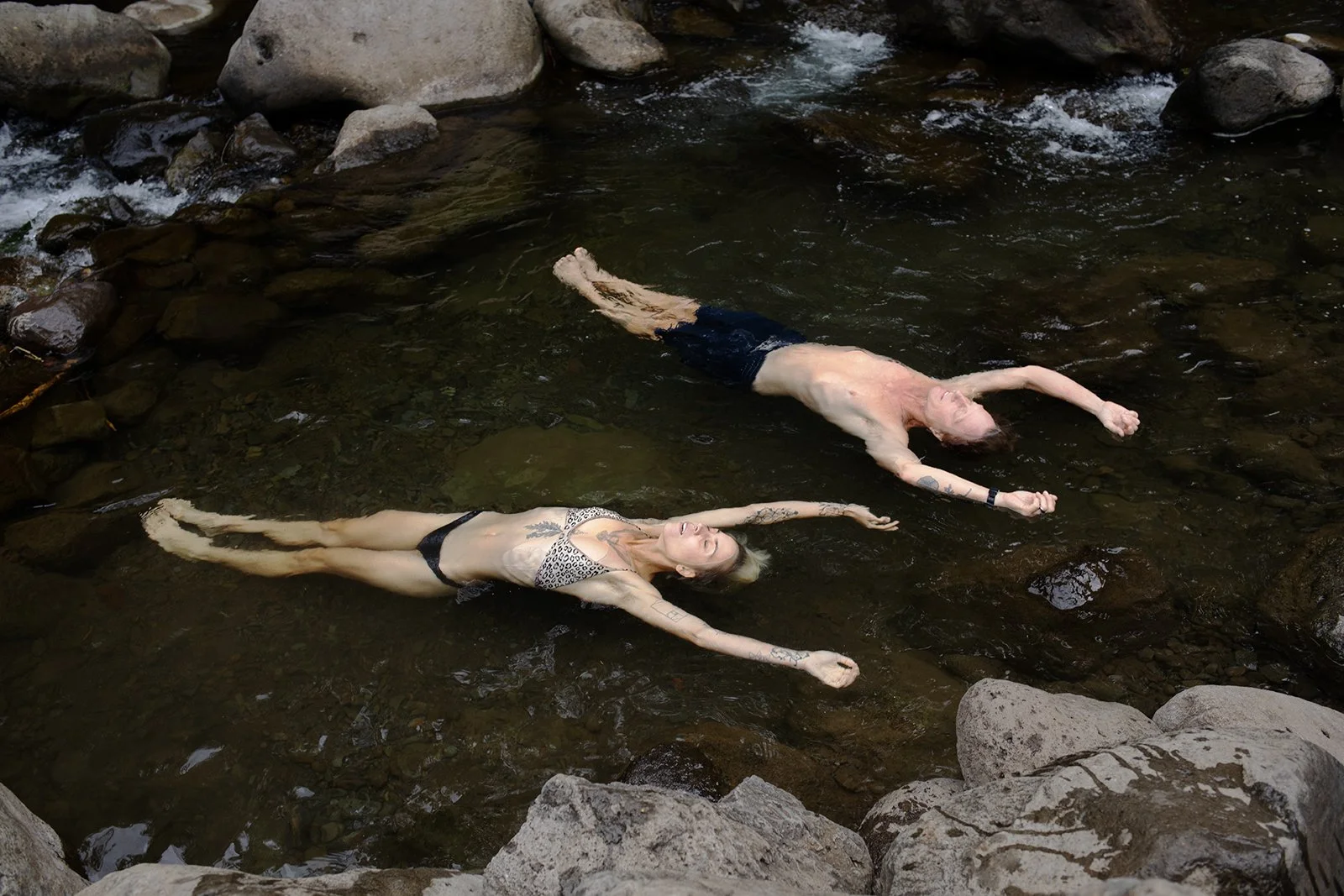
When I am starting a project, I do a lot of research. I look at anyone's work that has already been made about the subject. I also look at other photographer's work that I find inspiring for many reasons. Sometimes, I looks at someone's work and think about how they light their photos or their color palette. I spend time looking at the overall visual direction before I begin photographing.
I'm not trying to recreate someone else's work. I want to say something new about what I am shooting. When I teach photography, I tell students, "Everything has been photographed, literally everything, but it hasn't been photographed by you."
I also think about how the photographs will work together. What does the first image establish? Where does the story need to go? What photographs are actually necessary?
I heard a colleague say this morning actually, "Big Picture (Wide) to tiny details (close ups)"
Sequencing the Story
A single portrait can be powerful, but much of my narrative work is made up of a series of photographs. How the images work together affects how the story is experienced.
I think about it much like music. There are crescendos and decrescendos, moments when things build and moments when they quiet down. There are pauses, repetition, and resolution. A series of photographs needs some of that same rhythm. If every photograph is trying to be the most important one, the story becomes exhausting. Each photograph needs to work on its own, but it also needs to have a relationship to the images around it.
The editing process is where I begin to see those relationships. A photograph that felt important while I was shooting may not belong in the final sequence, while another can take on new meaning when it's placed next to a different image.
Being in the darkroom or Capture One Software
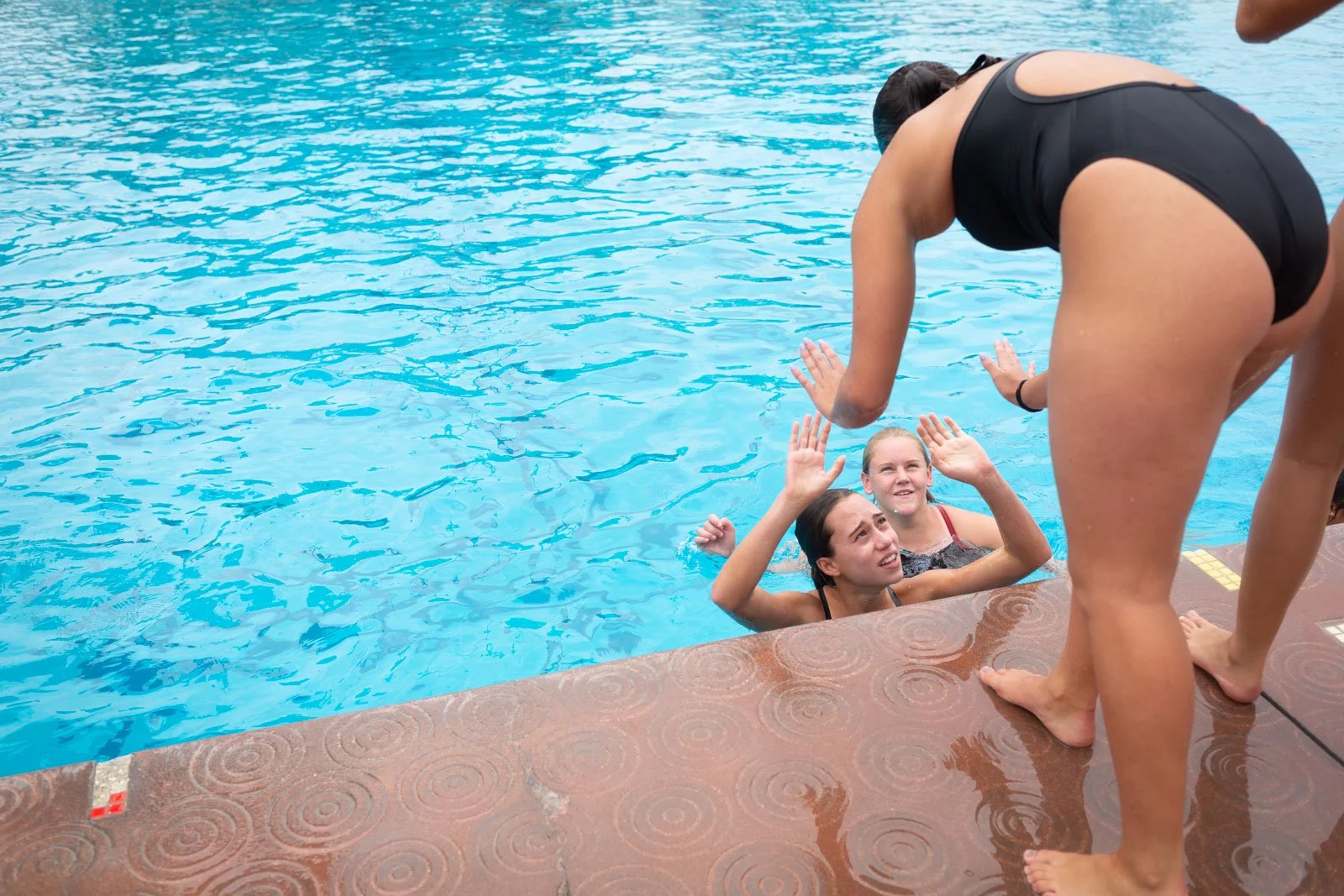
Software, like Capture One or Lightroom, has become an extension of what the darkroom was.
When I finally sit down with images, now looking in Capture one, it is still the same as it was when I would be in the darkroom with a contact sheet.
I think about what photos are working and why? How are individual images working together? What is missing from the story? What do you want to know about the subject? I'm thinking about consistency, rhythm, and which images need to carry more weight.
I find that a lot of photographers cannot edit their own work. We are all too close to it. Because you have the subjective, real life experience, you cant see it. Colleagues and I help each other edit. It's also easier to communicate why a photo is or isn't working when it isn't yours. LOL.
My harshest editor is my partner Glenn. Once I asked him to help me edit for my website or something. I presented him with 200 images. He edited it to 25. I was like: "Geeez!" He said, "you only want your best work out there." And he is right, maybe I am too in the mishigas (yes, this is the Yiddish word for "craziness, nonsense, or a complicated fuss" because New Yorkers use a lot of Yiddish) not every little moment informs the story and it becomes visual noise.
Post Production and Editing Photos
Color treatment and retouching are some of the last decisions to be made.
I'm fairly restrained in how I approach post-production. I want to refine what is already there.
Sometimes. During some commercial shoots, you need to shoot some plates. Maybe you need to comp (composite) the subject into the environment later for whatever reasons. Also, maybe the subject needs some minor skin retouching.
So sometimes, in the back of my mind, I am thinking what could be needed for post production or if something is truly not working, like a large, ugly car in the background, let's not throw out the baby with the bathwater, we can take that out later.
The exciting part, For me, is that technical decisions, such as those, are creative decisions.
Editing isn't about making a photograph look more dramatic or polished. It's about bringing it closer to what I saw when I made it.
Knowing What to Leave Alone
I never want to retouch something to death. I like Realism. Also, when I look at an image, I think, "Is the color informing this?" If it isn't, I convert it to Black and White.
Let's Talk About Your Story
If you have a story you're trying to tell and aren't sure what the photographs should look like yet, I'd love to hear about it.
Whether you're an art director developing an editorial series or someone with a personal story you want to tell honestly, I'm happy to talk through the story and consider how photography can support it.
Frequently Asked Questions
Every project is different. Please reach out to me. Let's figure it out.