Starting a Photo Series: Finding the Story Before I Photograph It
Starting a Photo Series: Finding the Story Before I Photograph It
Make it stand out
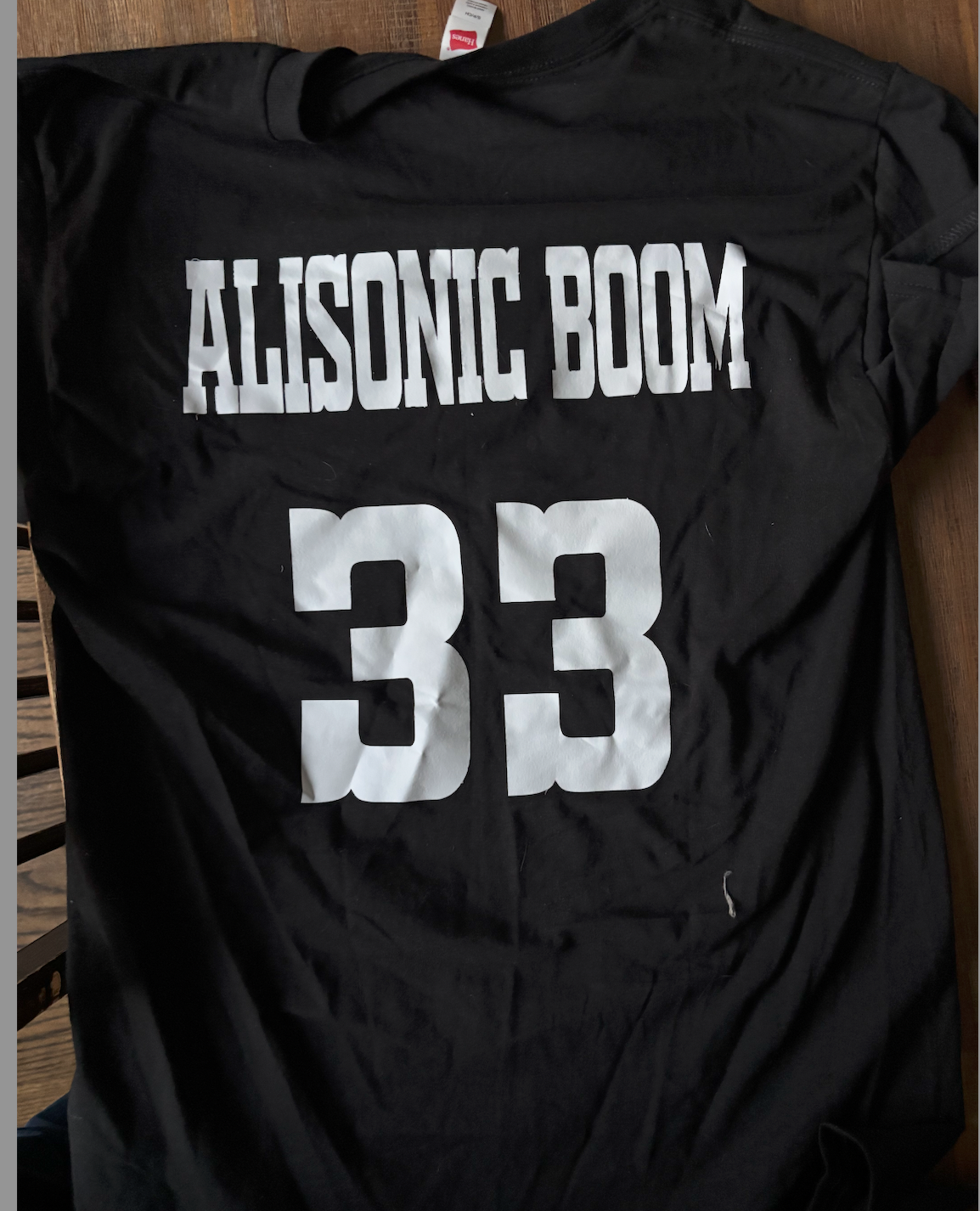
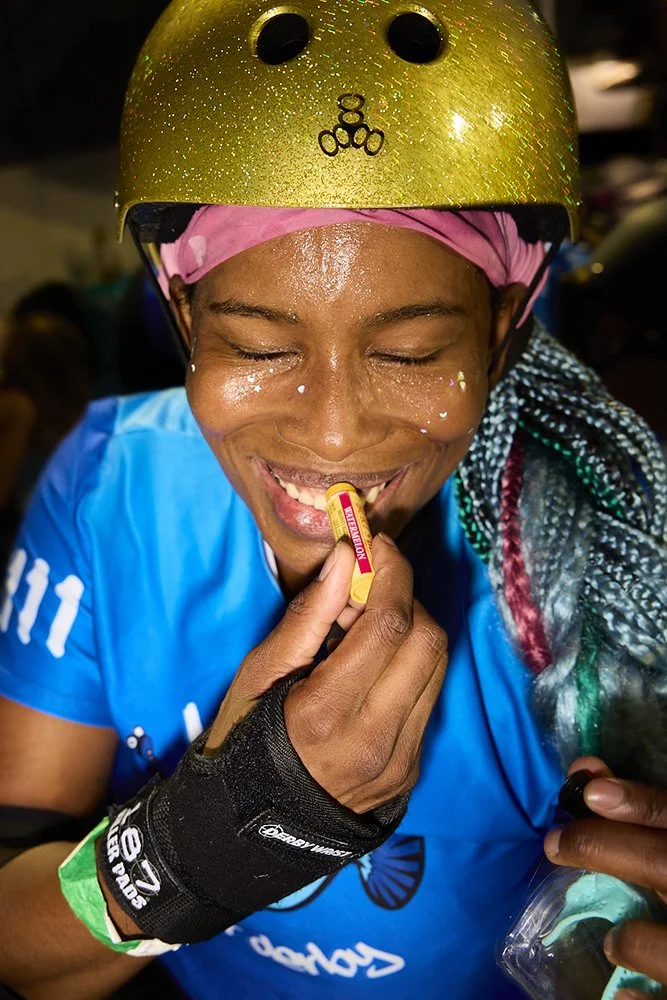
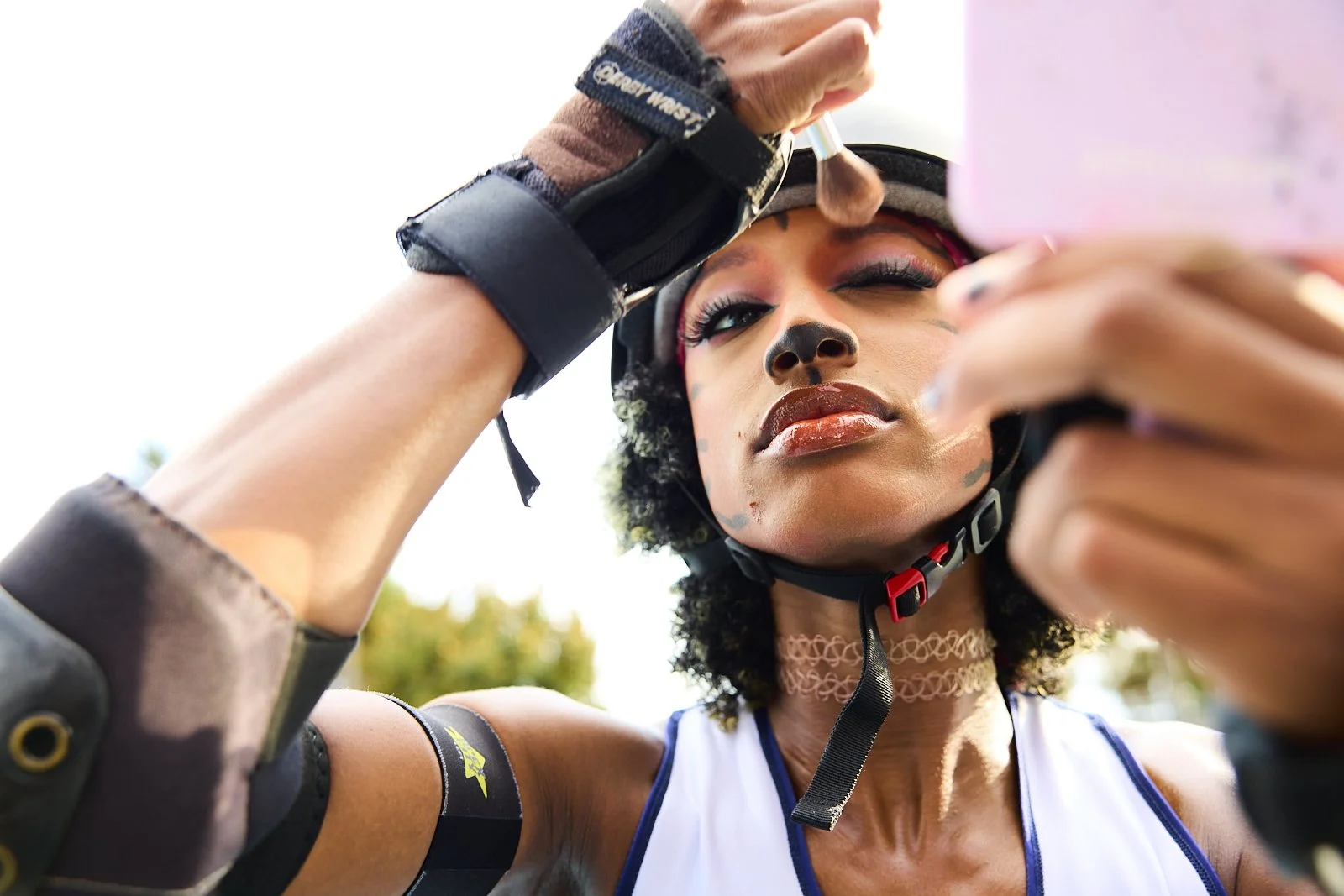
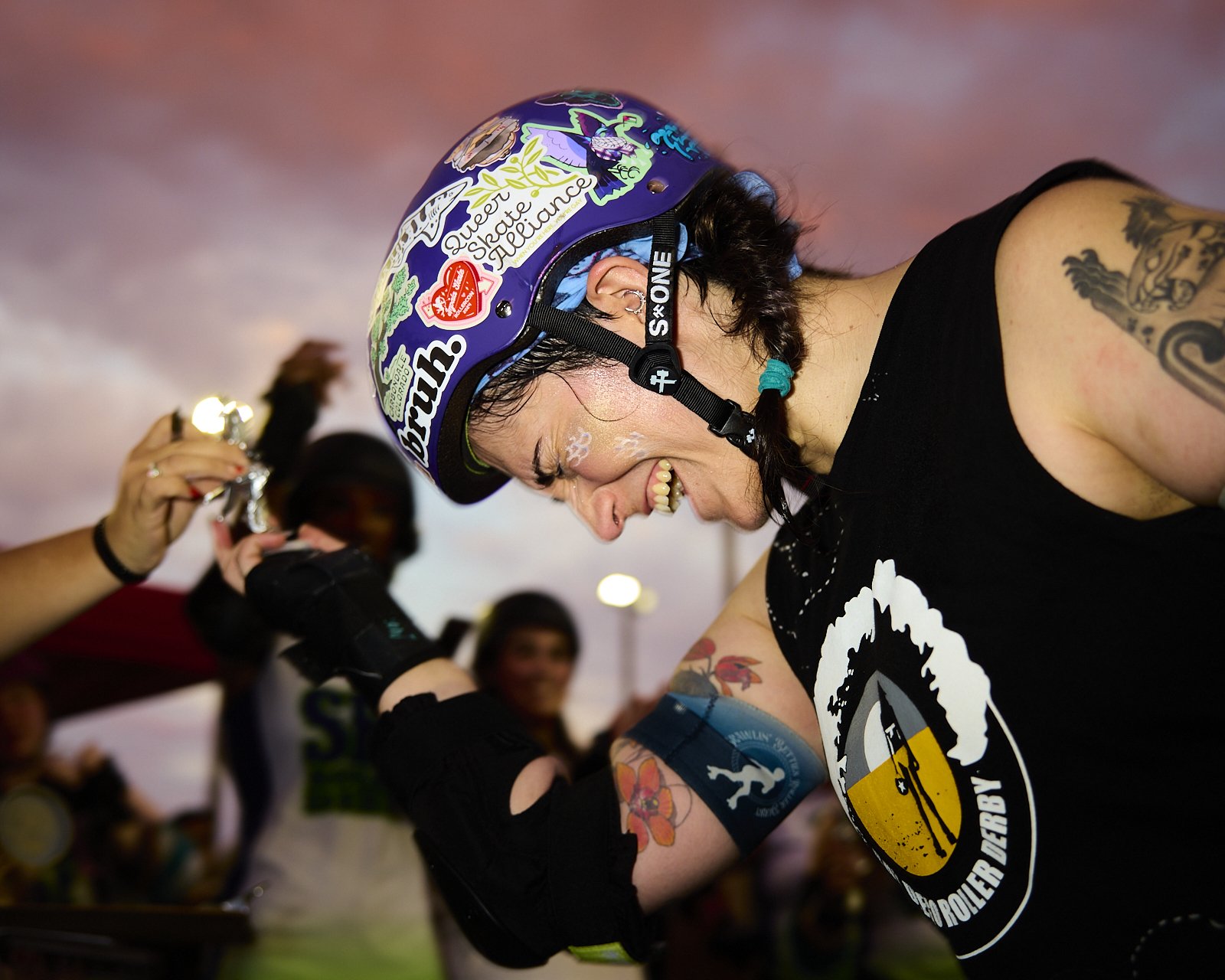
I'm Aly and I want to walk you through the process for my last photo series. The backstory is that I played roller derby in NY. The most impressive part was my name: Alison Boom (see last photo in this post…...) I can't remember why I wanted to start playing, maybe I was going through a break-up and needed to move around, exercise, and sweat. I also liked all the outfits, especially fishnets and short shorts, it was a vibe. Anyway.......When I thought about starting a new project last year, I thought: "What do I care about that I am willing to devote a lot of (unpaid) time shooting?" Last year, I had gone to Dyke Day in Los Angeles and the San Fernando Roller Derby team had a booth. I remembered some of the people I skated with, amazing athleticism, fun to be around, queer friendly, and I really liked that Roller Derby was a place where all the things women are socialized to be: nice, quiet, agreeable, accommodating, goes out the window. When you get on the rink, you can be aggressive, sweaty, lead with your sexuality, and an all around baddie.
I looked at their upcoming schedule, e mailed and asked if I could come to a bout.
An important part of any photo essay or photo series: Why are you there? Can you build a rapport with the subjects that they trust you enough to come let you shoot and how are you contributing to the situation? When I shoot for a project, I give a selection of images to the subjects. While, I am not trying to give imagery away for someone's profile pic, I ethically believe there needs to be a give and take.
I also try and communicate visually, what I am trying to make, so I either send links to other projects I have made or make a pdf. For this initial shoot, I wanted to make portraits and shoot the bout while it was happening (more documentary style shooting). This post is my attempt to talk about my process, I really like to learn about what inspired another photographer and how they made it happen.
The Visual "Why" behind the photos
I heard Lauren Greenfield (one of my mentors) once say, "Photographers tell the same story," I would agree. I tell stories about the female experience. I think most photographers making personal work are coming to it with a very specific cultural or personal perspective, as well as a deep desire to be making photos. When I am making photos, I am curious about the people I am photographing. I am interested in who they are and what their life is about.
Where my brain is when I Start (Research)
I try and read anything about a subject and the world I am about to dive into. I listen to podcasts (very convenient while driving in LA), Facebook groups, reddit threads, of course all the social media..
I'll never be an authority, I am making an effort to learn enough so that when I'm with the subject(s) I can ask more insightful questions, show up informed, and have a general understanding and empathy.
Sometimes I often have notes, weblink, screenshots, possibly a Pinterest board that I frequently refer to, lots of references.
This is really the starting point for how I think about visual storytelling: how to plan a narrative photo series, do the research, look around, listen, and show up informed.
Who will be photographed?
I begin to think about the people involved in a project once I understand their world.
They're real people, not characters I'm creating for the photographs. When someone is telling their own story or inviting me into their life to photograph, I try to maintain a professional and respectful distance while paying attention to who they are and be present and as unobtrusive to their life as possible.
I want the photographs to reflect the person as objectively as possible.
Making photos with a subject
Sometimes I am meeting a subject for the first time. We have had an initial phone call to discuss. They we have planned for the first time I am photographing them.
I ask myself simple questions before I ever meet someone in person:
What fits in their life to come and shoot, for example, we are going to meet at their bout on a specific date....
I try to understand their motivation, Why is this person obsessed with Derby?
What do they want to present to me? How are they comfortable being seen?
What is the Location?
When shooting the players, it made sense to go to the rink where their bout was taking place, though, sometimes, I am going to someone's home to shoot.
Sometimes scouting is very helpful to know what to expect the day of the shoot. I try to go and see potential locations myself whenever I can because photos online only tell you so much.
I look for:
where the light is moving in the sky and what time is sunset (though, I am bringing back up strobe)
Is there a neutral wall I want to use to make portraits or am I bringing a backdrop?
Sometimes I scout with my actual DSLR because I want to see how it will photograph.
what are the logistics, such as parking and getting permission to bring gear in, and is there a place I can set up and my cameras are safe.
(I've written more specifically about how to plan an outdoor portrait photography session in Los Angeles if you want a closer look at that side of my process.)
I am confident and prepared showing up to shoot. This is the skill of many photographers, making it look easy when in fact a lot of preparation has gone into making images.
Where the Pieces Come Together
This is where the location, the people, research, and preparation begin to come together. It's about creating a consistent point of view from the beginning to end. It's about, for me, looking at an image and considering a new perspective or being surprised by seeing something in a new way.
How can we ever know everything that actually went into making any photograph? And when a photo really works, you're not thinking about all the decisions and process behind it. You are just responding to the image. I hope my photographs resonate, and that something about them makes you wan tot stop and keep looking.
Putting it all together after you make the images:
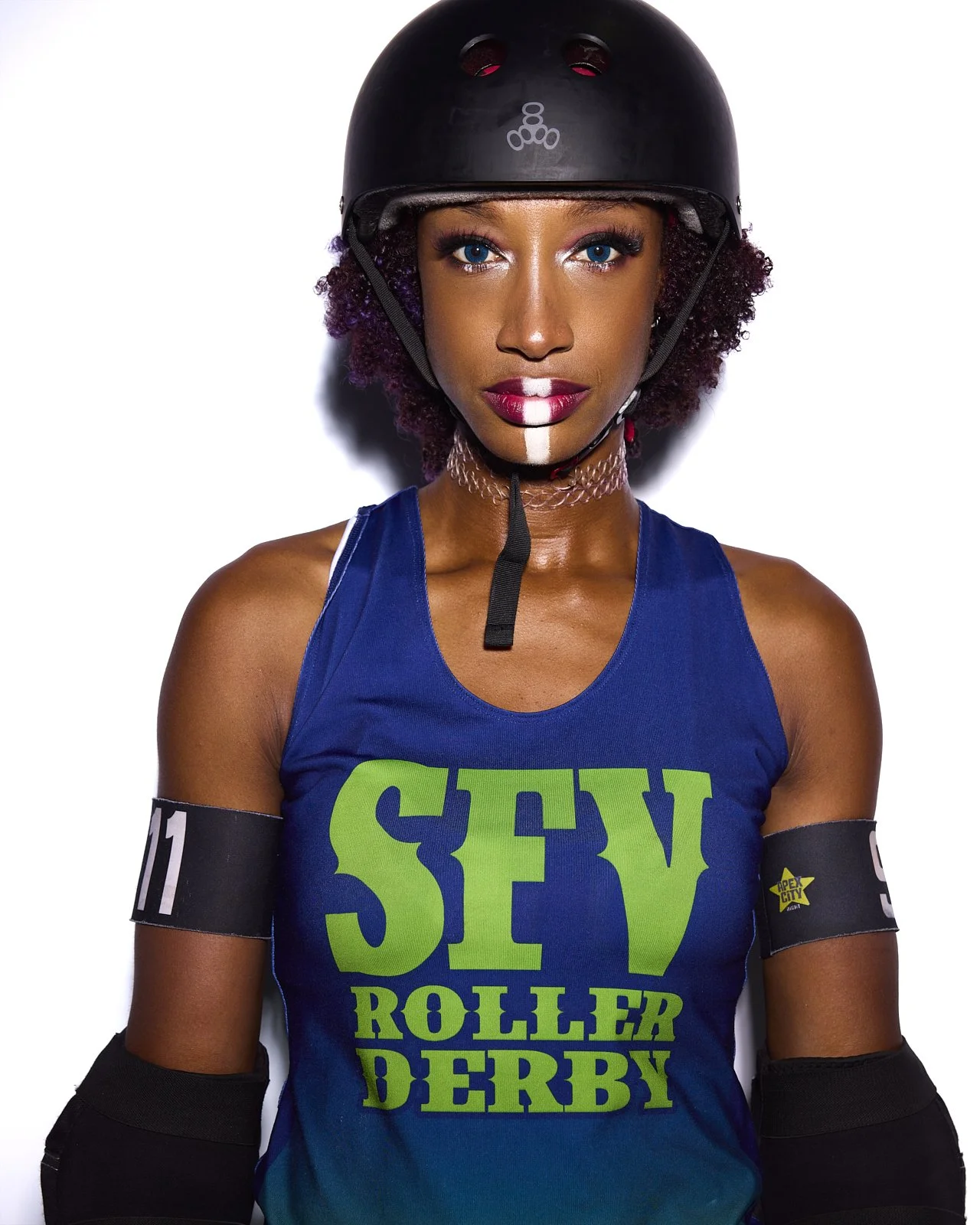
I think of a photo series as a sequence, not a collection of separate pictures.
Each image works in relation to the others. I think about while I'm shooting. If you're curious how I approach that specific part of the process, I go deeper into it in my piece on photo sequencing tips: building a cohesive visual narrative.
Let's Talk About You
FAQ
How long does the research phase usually take?
It depends on the project; anywhere from a couple of days to a couple of weeks
Do you always visit a location in person before shooting there?
Whenever I can, yes
What if my project isn't obvious?
I find that most projects have some kind of context worth exploring, whether it's personal history, a specific industry or a moment someone is living through right now.
Can I be involved in the research and location scouting process?
Yes, please, since understanding a place or a story from a client's own perspective often shapes the work