How I Sequence Photographs to Tell a Story
How I Sequence Photographs to Tell a Story
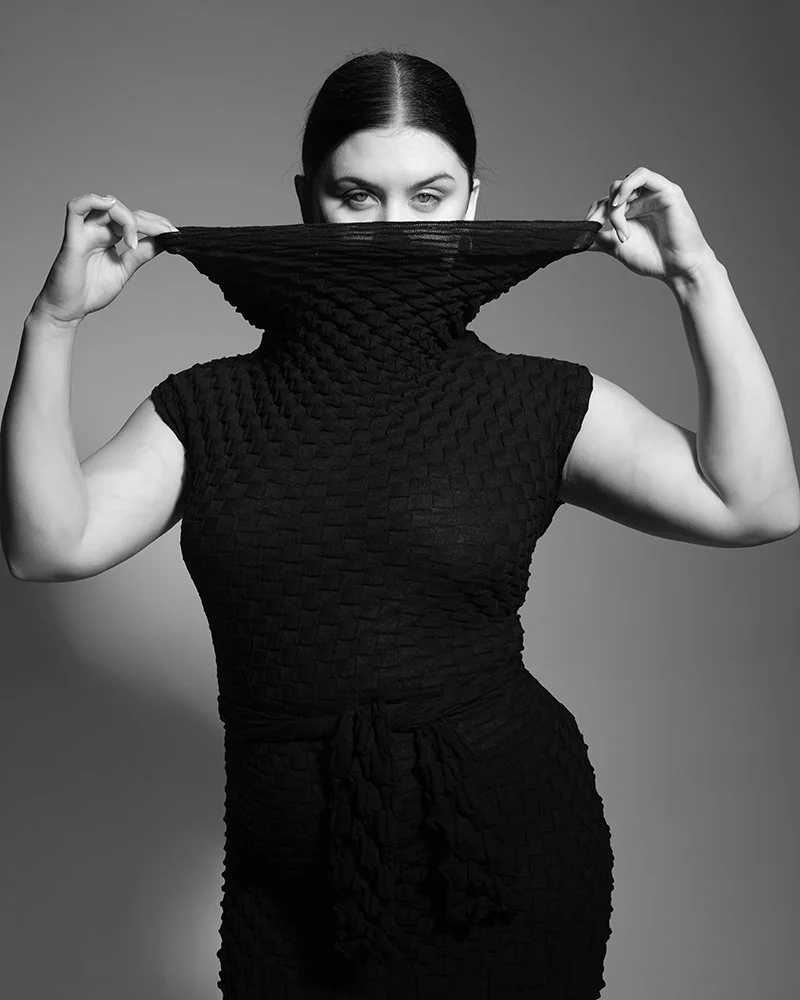
Ok, hi, It's me, Aly. Let's talk about what happens after you have shot all the hundreds of images. You are decompressing from your shoot, you did all the things, pulled all the talent together, got everyone there, the location worked well, you returned and wrapped all the gear and your camera batteries are on charge and you are backing up your hard drives... Now what? In an ideal world, you have a day or two to let the dust settle before you have to look at all the images.
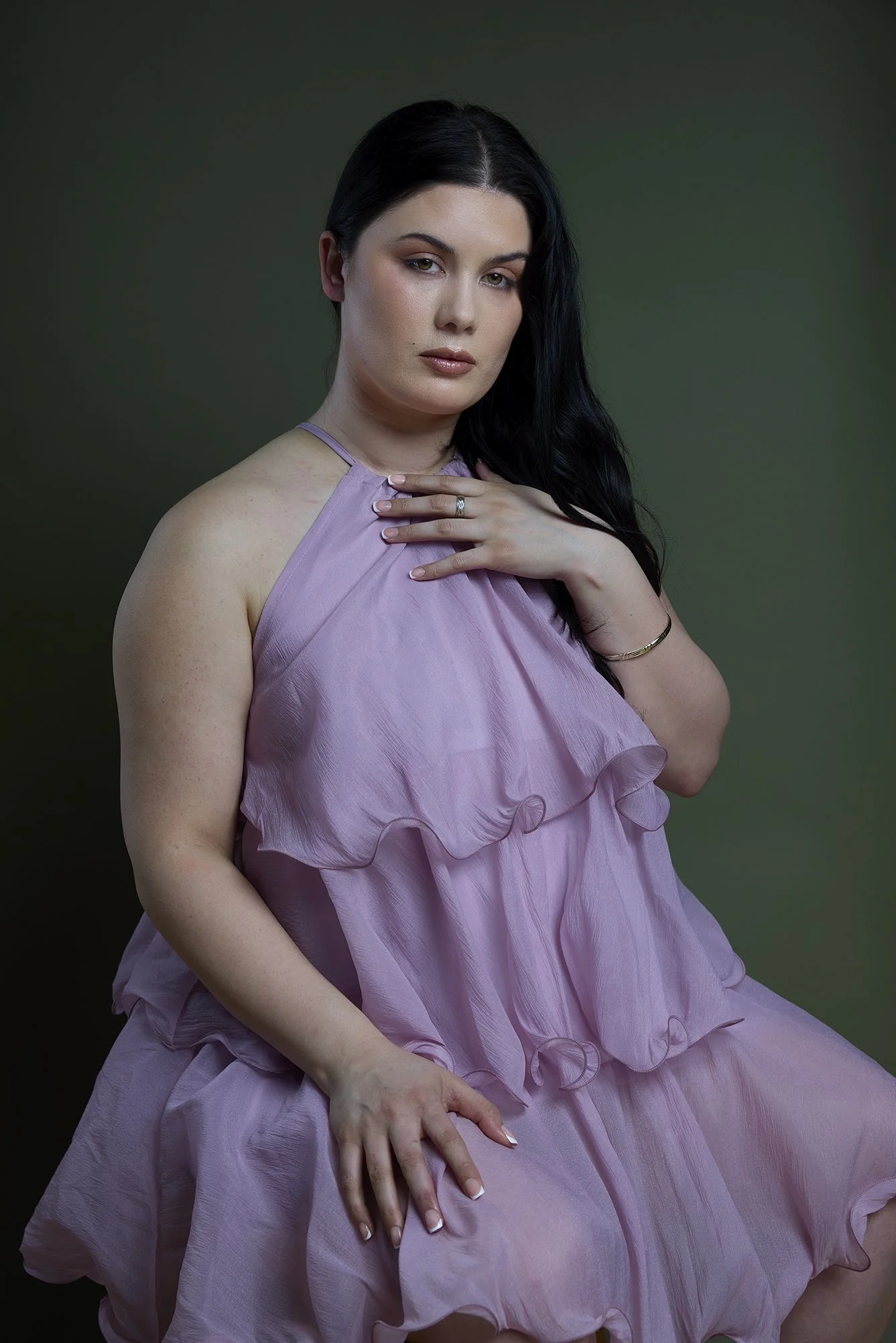
An individual portrait can reveal something about a person and a carefully planned series can tell you something deeper about their story.
When sequencing images, I am trying to create a story with strong images, transitions, keeps the viewer interested and engaged, fun to look at, moves the story along with he strongest images that drive the story.
It allows me to turn a lived experience into a visual story that others are able to really feel, you can read more here. Storytelling Portrait Photography in Los Angeles
Beyond a Single Strong Image
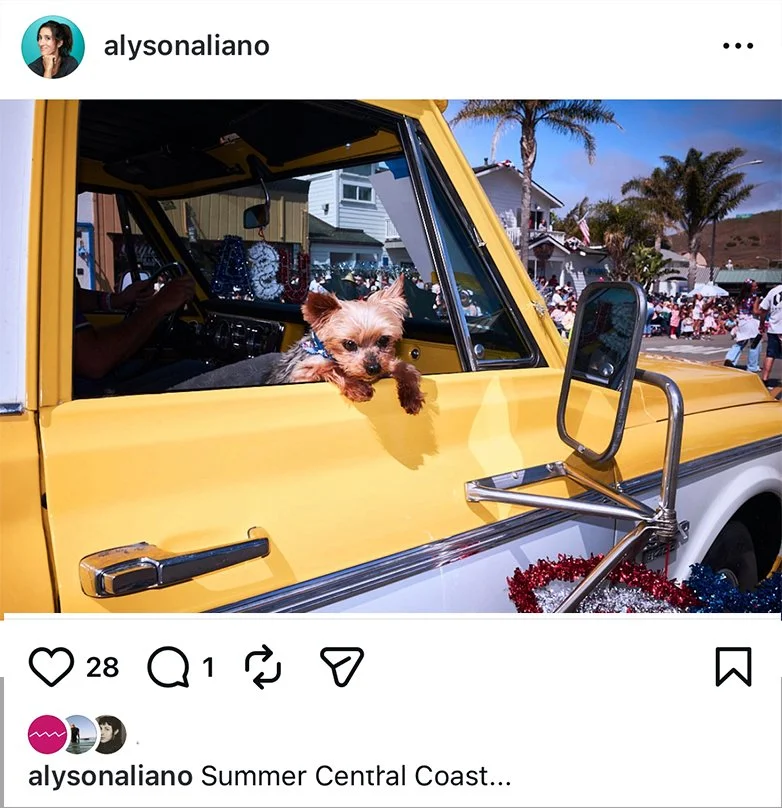
I have a single image, I am ready to put it out in the world. I hate captioning. I had a professor at SVA say something simple that has stayed with me, "a photo can exist with a title that simply describes what it is." If you visit my instagram, you are going to see this. "Summer, Central Coast." You dont need me to tell you that it is a photo of a dog, you dont need me to tell you the dog is cute. You are going o bring your own thing to it and thats what I am interested in. Photography is a visual medium and I am not writing a book. I like a caption to be as neutral and objective as possible. Also, if it's instagram, everyone is scrolling away and you aren't there to hear my deepest thoughts.
On my website, you will rarely see a caption on a photo. If it is a portrait, I want the person's expression, body language, gesture, environment to draw you in. Have your own thoughts.
Conversely, my intentions are different within a photo series. I am putting many photos together to tell a story.
I also am not just picking my favorite images, I am b building a set of images that support one another, you can read about that here, in Editorial Inspired Portrait Photography in Los Angeles.
Choosing an Establishing Shot
The establishing photo is where you enter the world of the project.Depending on the project, it may be an environmental wide shot. I am not going to lie, I love the way Wes Anderson does this.
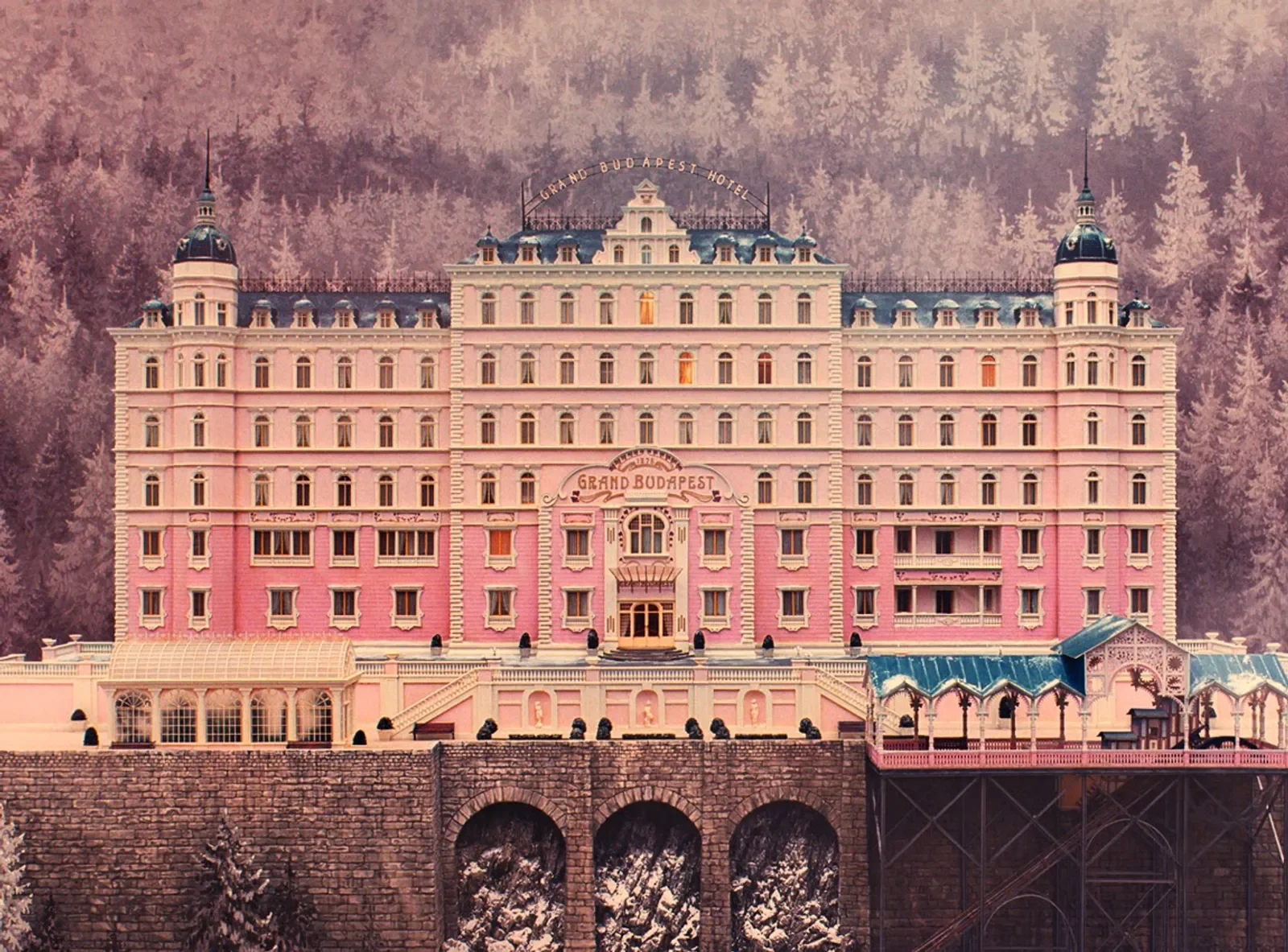
Image Credit: Wes Anderson
I look for a few things in a strong opening frame:
I want a sense of place
I want enough visual space to let the subject breathe within the frame
I am rooted in realism, it is going to be very true to real life.
You can read about how I choose locations for Editorial Inspired Portrait Photography in Los Angeles,
My Approach to Arranging a Sequence...Other photos, Other moments
While I think emotion, action, and movement is really important, I also want to have quiet, specific moments as well.
These are photos that give your eye somewhere to rest.
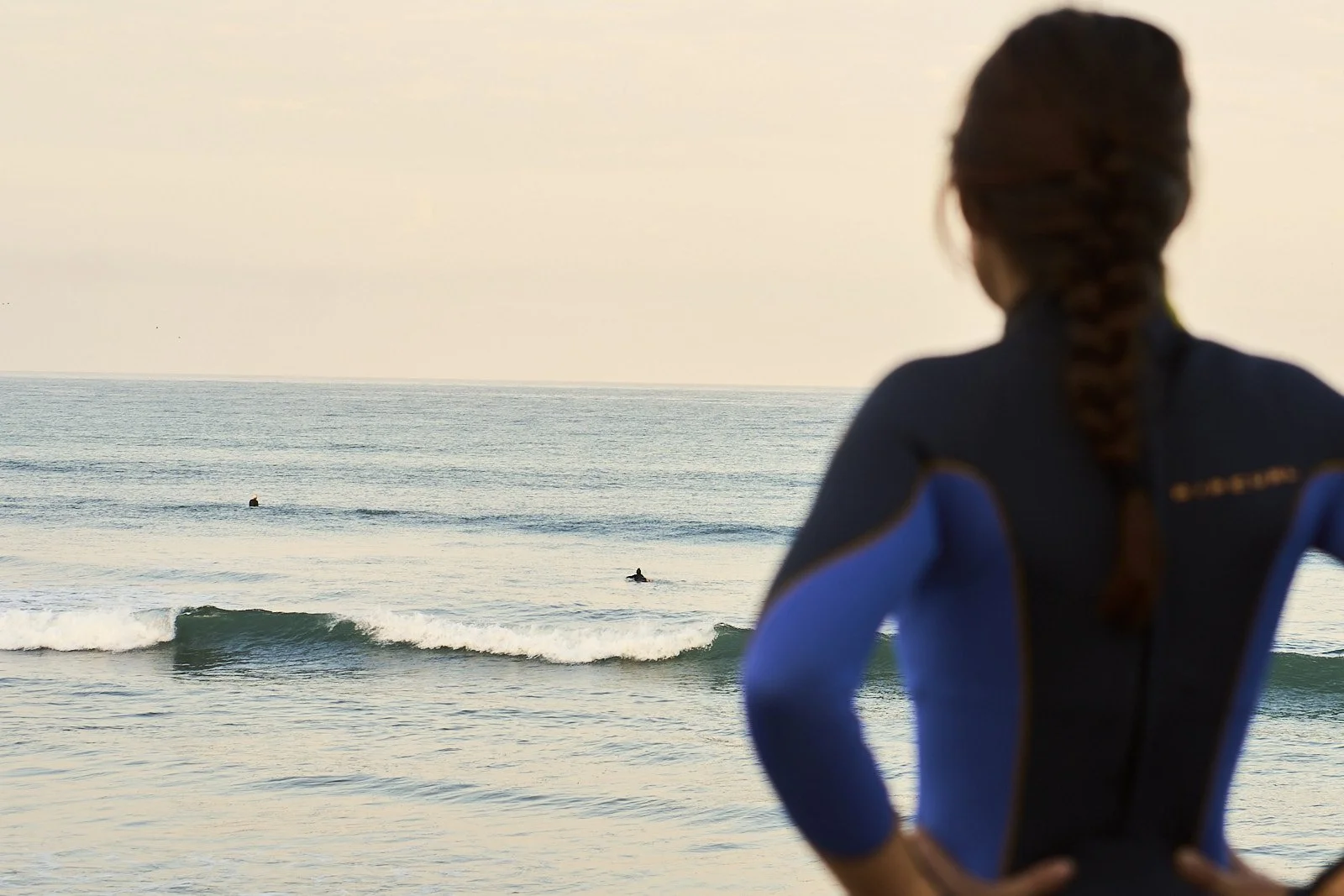
Some photos act as a full sentence, some are more likea comma, a little pause before the next thought begins.
Pacing and sequencing of images is important, not only to tell a story, but to not overload the viewer visually.
Sometimes, there is something unexpected, whether or not it is an image that knocks me over, these are options I need when putting it all together.
Once I have my full set of selects, I lay everything out and look for rhythm, both visually and emotionally.
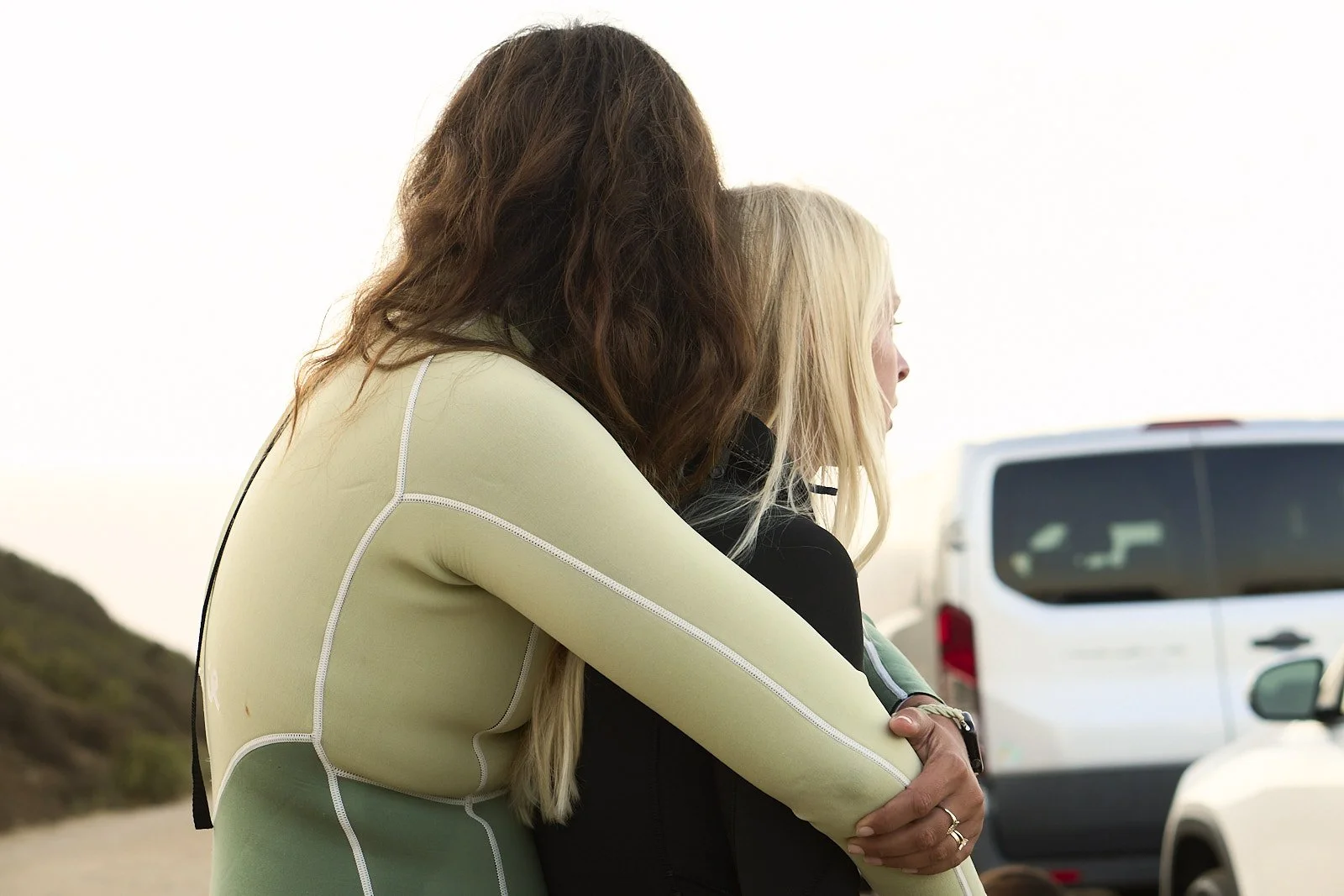
I am looking for rhythm, shifting from formal to informal and at other times rising into a powerful final portrait. I also have to pay attention
Collaborating with Art Directors and Editors
I treat this as the point where Working with a Portrait Photographer in Los Angeles becomes a genuinely collaborative process rather than a one-way handoff of finished images.
Before I even begin sequencing, I talk to my client about what the piece has to say. We help shape the direction and I take that conversation to the editing. When I can, I use physical proofs; I get a sense of rhythm from seeing images side by side.
Technical Choices vs Artistic Choices
The way you choose to lay images out is mostly a creative decision, but there are times when you might want to choose an image for technical reasons, such as studio lighting, location lighting, etc.
Scale:
I consider arrangement and visual variation, using both wider environmental frames and tighter portraits. Having a sense of scale keeps the viewers eye moving.
Visual Consistency
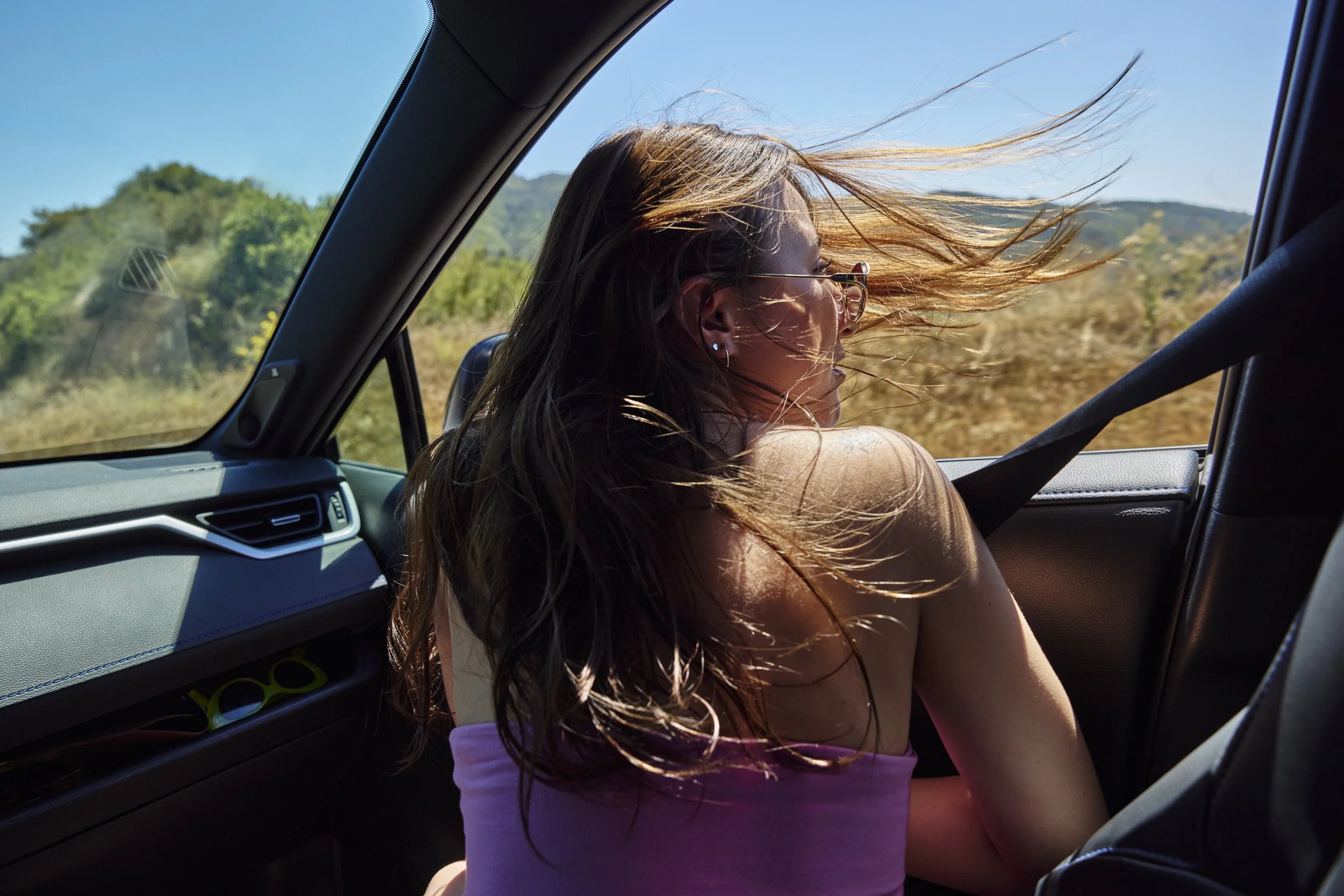
For me, sometimes I edit and sequence portraits by color palette.
Preparing a shoot for visual consistency
The way this shows up for me the most is requesting subjects wear a lot of color.
When I am shooting and learning about a subject, I get a feel if for the mood, is it really upbeat and spontaneous, is it going to be a quieter shoot that more portraiture and formal composition would work?
When I get to the shoot, I also embrace wheat is there. If the sky is (unusually) overcast, that is really beautiful soft even light and looks amazing outside and in Black and White.
When I am choosing images, sometimes, I am drawn to a formal composition of a portrait, like a painting, or something that feels very intimate.
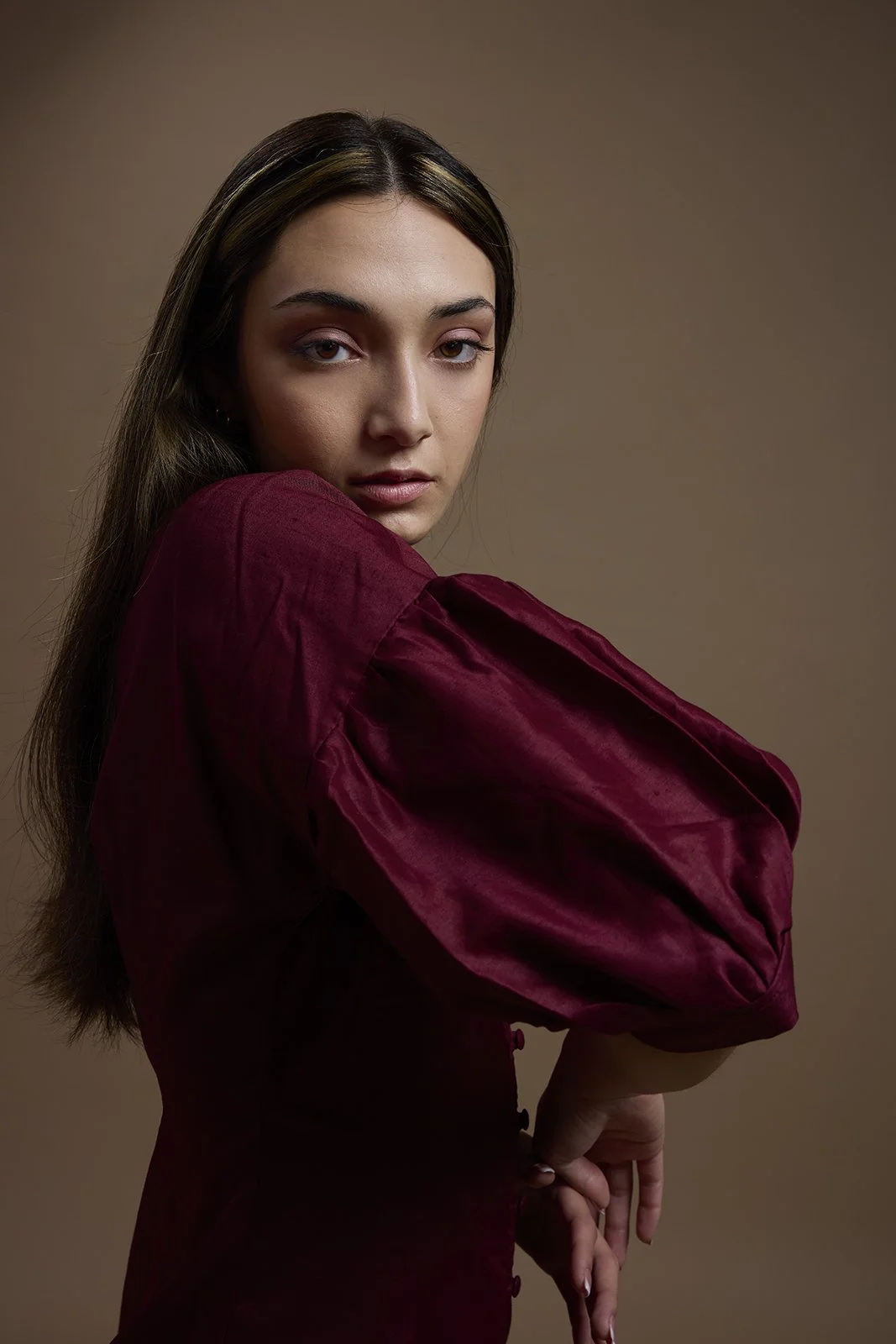
Let's build it together.
Putting the story together in post is really exciting because you can find the visual thread through all the hundreds of images. After the shoot, I do this work in Capture One, I really like the interface and I love the color capability. I will do an edit about three times, appropriately, labeled, "Edit One, "Edit Two" and "Edit Three" Sometimes months later I will do a completely different edit and see images I passed by the first time. Then, hilariously, I called this, "Aly Edit whatever date"
If you're working on project where the story matters as much as any single frame, I'd love to talk it through with you. Building that kind of visual narrative together exactly the work I care about most.Let’s start with an Email.
Frequently Asked Questions
Sequencing photos means what?
I use it to describe selecting and ordering images so I can make them read as one connected story rather than a set of unrelated strong frames.
How many images make a strong sequence?
well, how many do you want to make? Let's talk through what photos you might need to tell the story....
When do you think about how the images will fit together?
I think about both when I am shooting and editing. When I am shooting, I might have some notes, that say, "Shoot Exterior," so I can have a wide establishing photo of the location.
How does this work with portraits?
Photographs read very differently depending on what is placed before and after it in a layout. Also, think about music, you cant have all crescendos, you need some rests.
Do you collaborate with art directors?
Yes, when I work with an editor or art director, we build the sequence together around what the piece needs to communicate.