Visual Storytelling: How I Plan a Photo Series
Visual Storytelling: How I Plan a Photo Series
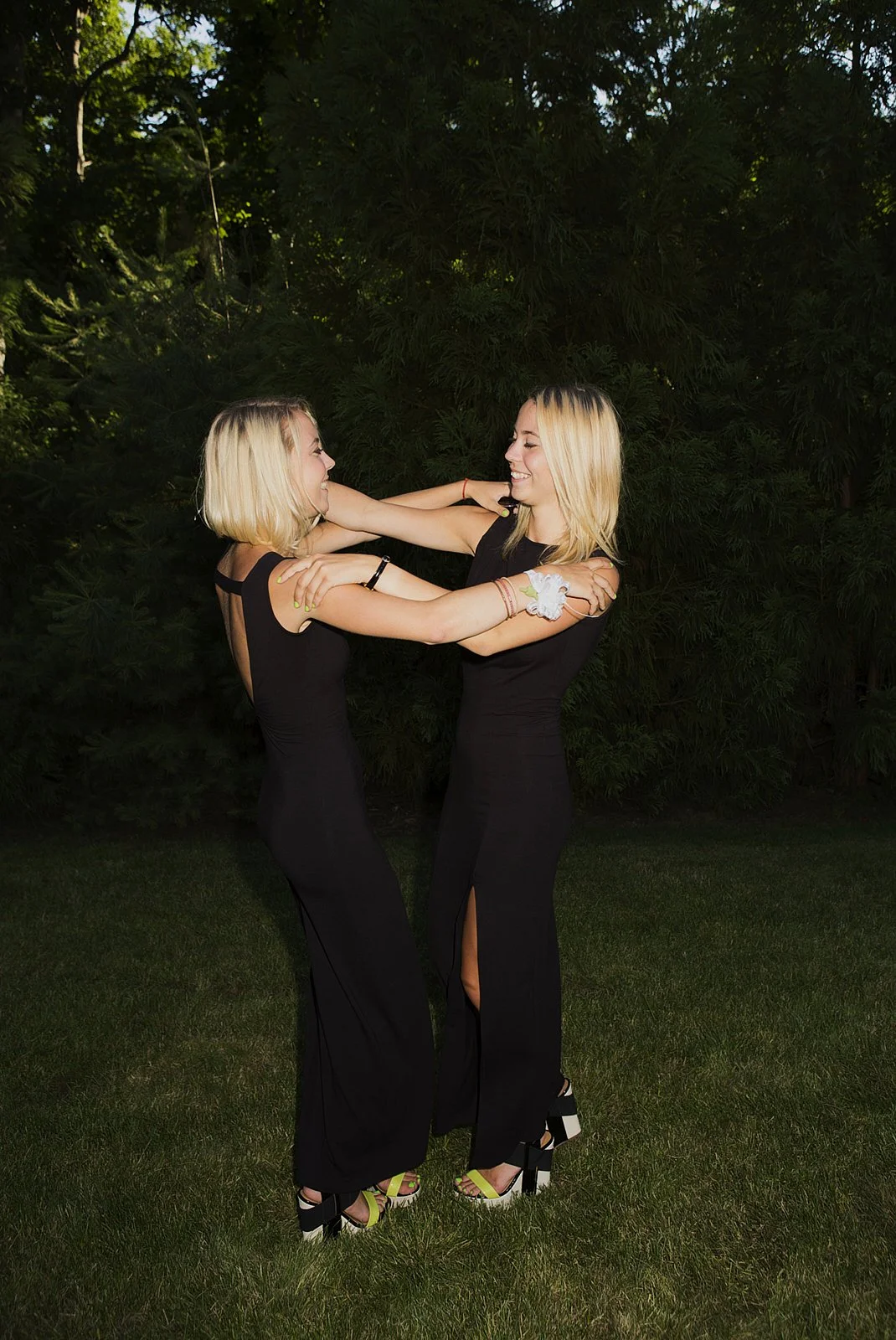
When I start a photo series, I start by thinking about what I am trying to say and why I want to make the photographs in the first place.
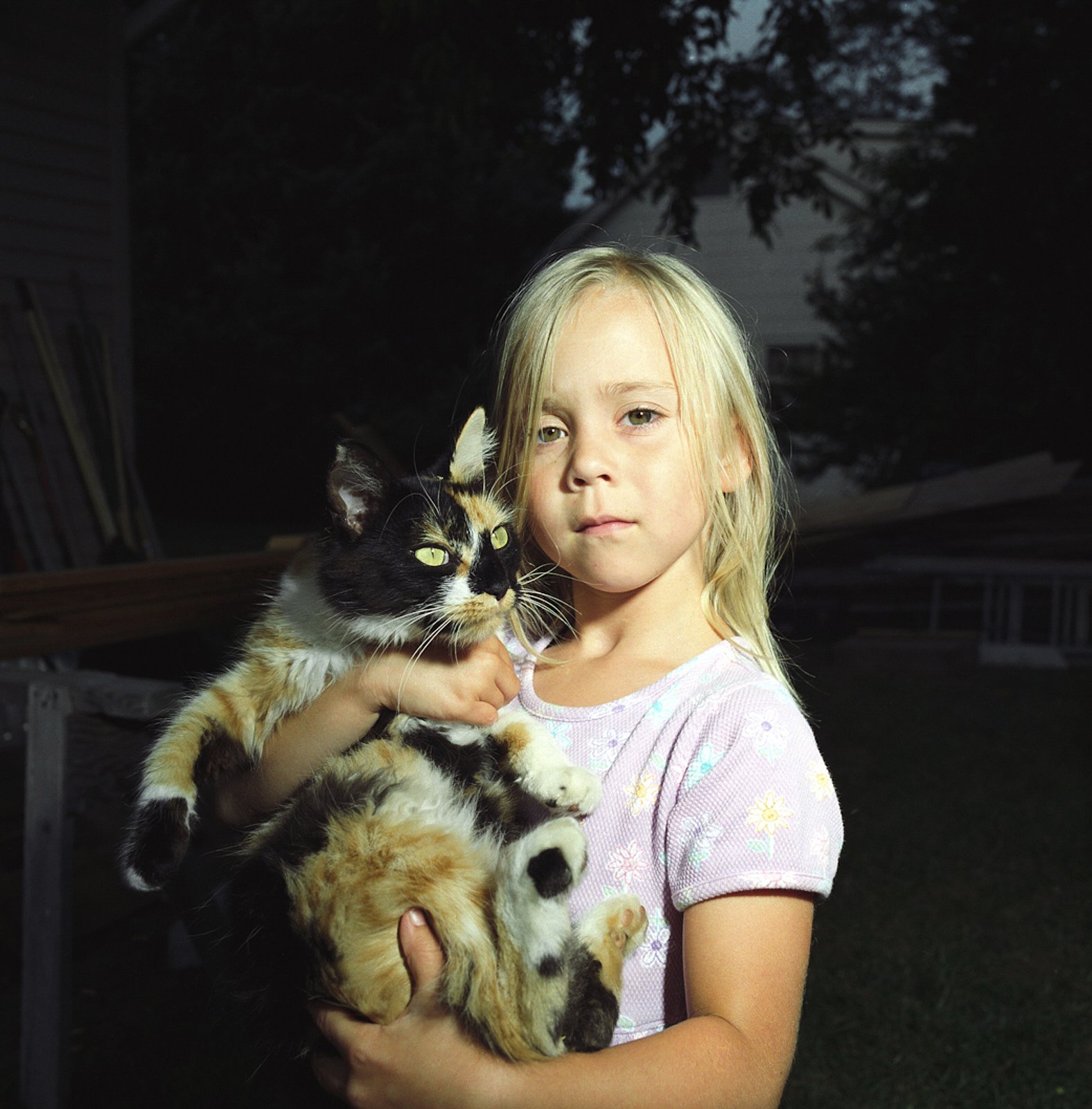
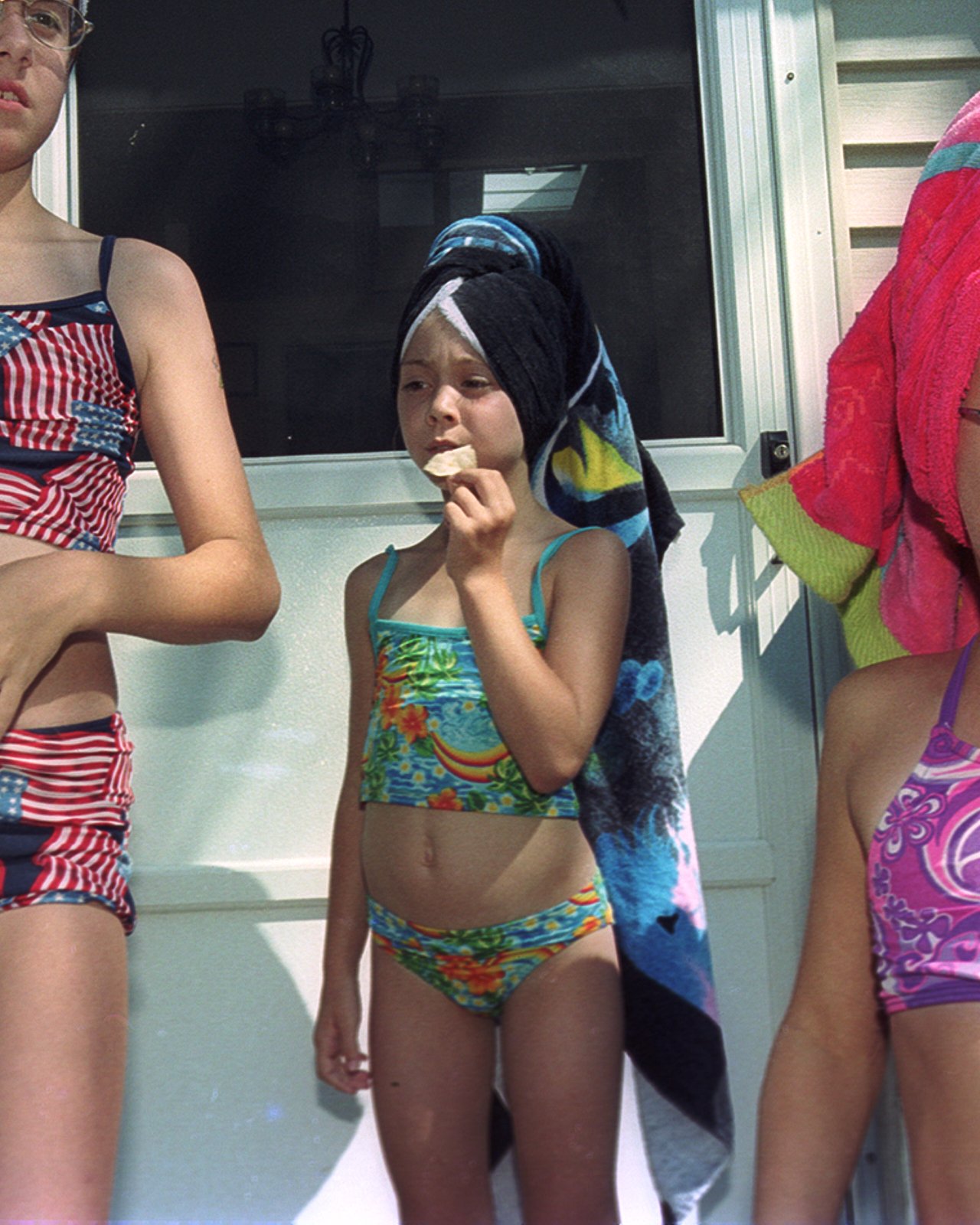
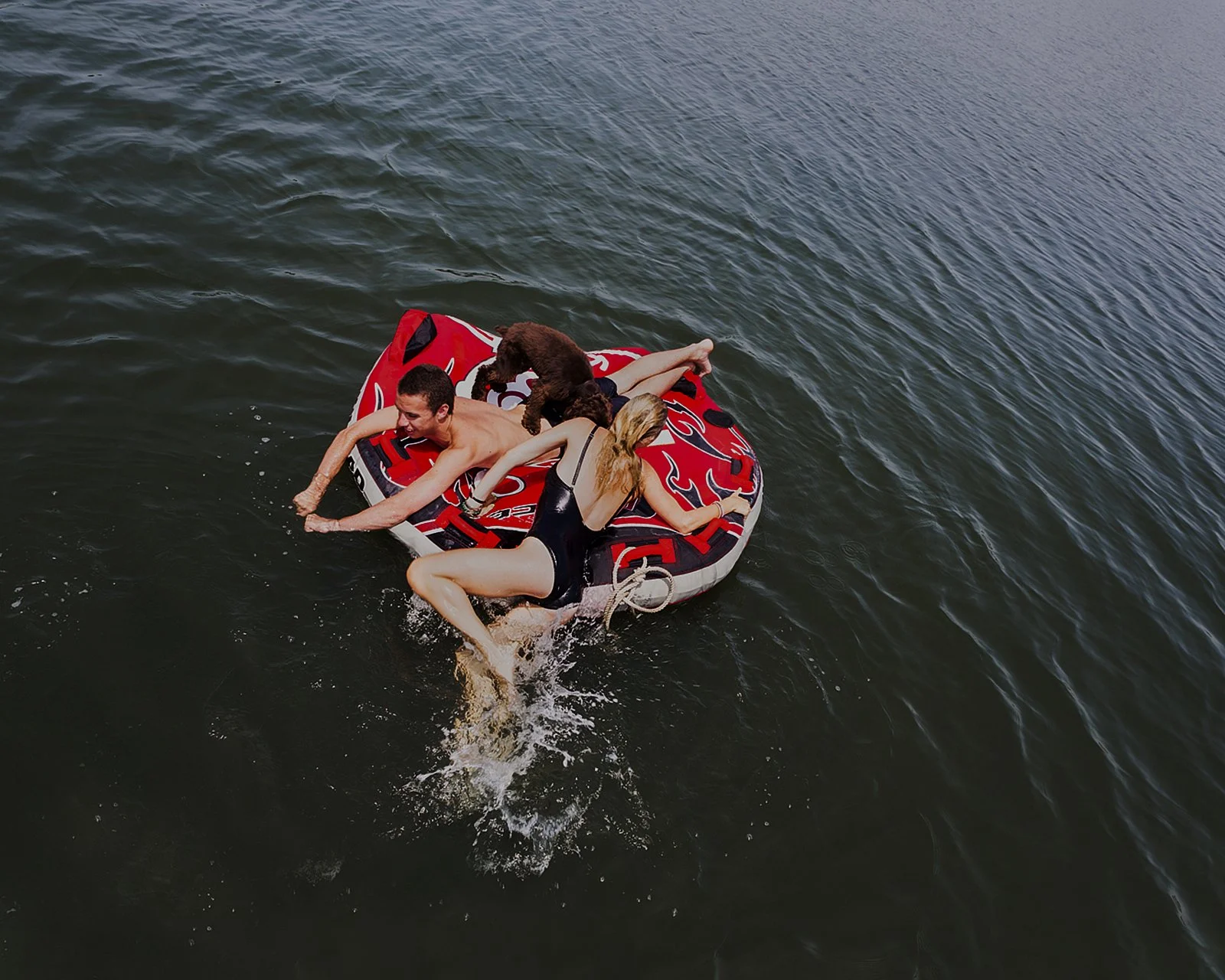
This is especially true with my personal work. The photographs I'm sharing here are from a project I've been making of my stepdaughter, Ellison. It's a very different kind of relationship than photographing someone for an editorial assignment, but the way I think about making the photographs is similar. I'm still thinking about the person, the environments, all the visual things, such as light, color, and composition, and how the photographs will work together.
A photo series is a collection of images, sometimes made over time, working together to tell a story that is compelling for many reasons.
The photographs don't all have to look the same. They just need to belong to the same story.
Planning Before I Shoot
I don't always know exactly what the photographs are going to look like before I start. I try to stay very open to what unfolds, but I do want to have an understanding of what I'm looking for.
What is interesting to me about this person or this place? What am I trying to understand? What do I want the photographs to communicate? That seems like a good starting point.
When I'm working on a series, I'm thinking about the photographs as a group.
You can also read more here, Creating Portraits with Intention.
Where the Idea Actually Starts
For me, a project usually starts with curiosity.
There is something I want to spend time looking at or understanding. Sometimes it's a person or community. Sometimes it's usually an idea that I can't get out of my head.
With my stepdaughter, the project developed over time. Our relationship is the reason I am interested in making the work.
That part is different with every person you photograph.
Thinking About the People I'm Photographing
Before I photograph someone, I want to understand as much as I can about the situation I'm entering.
What is important to this person? What are they comfortable with? What do they want to show me? What is the relationship between us?
I also think about my own role.
I'm there to make photographs, but I'm not there to impose anything on anyone. I try to maintain a professional and respectful distance while paying attention to what is actually happening.
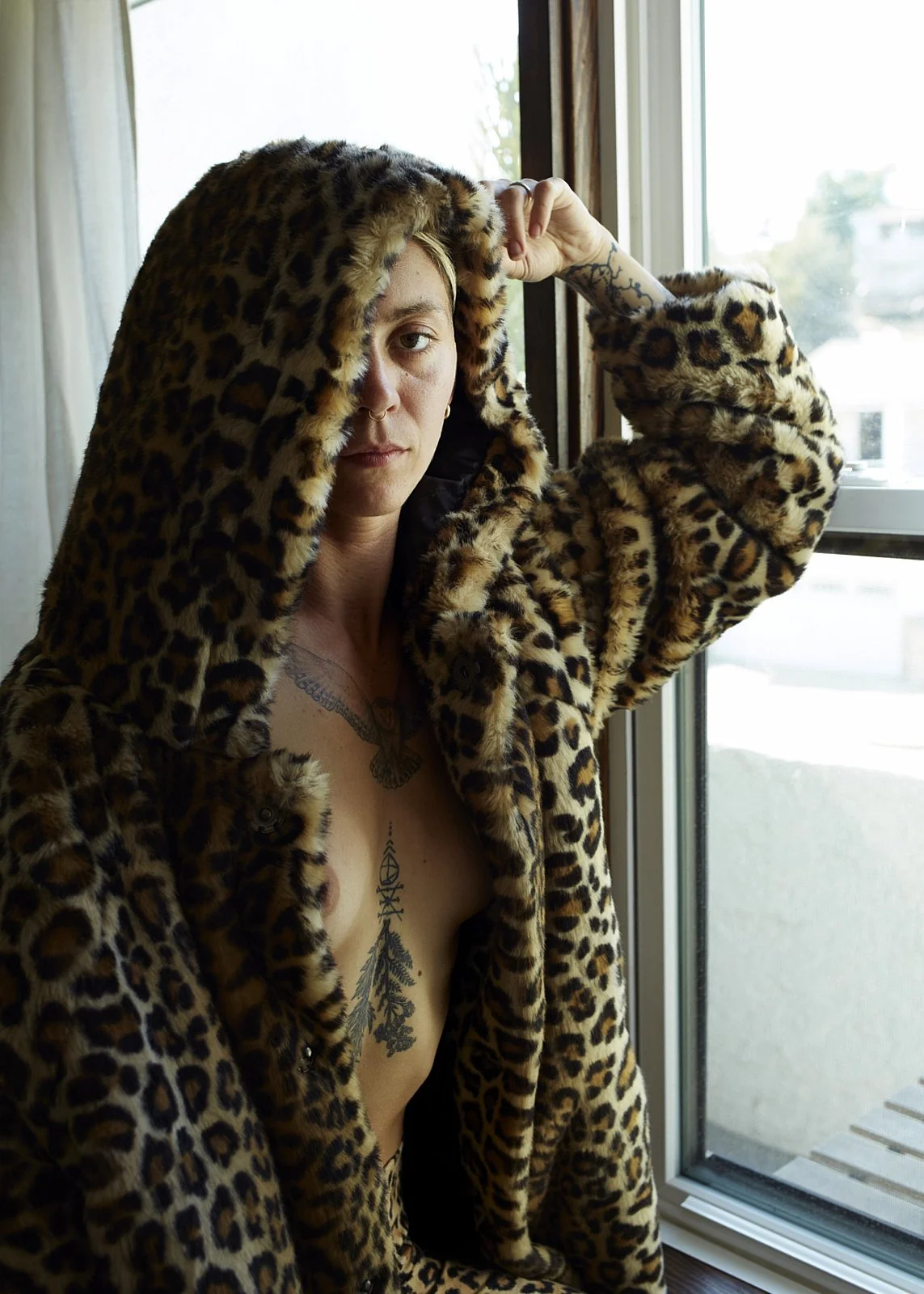
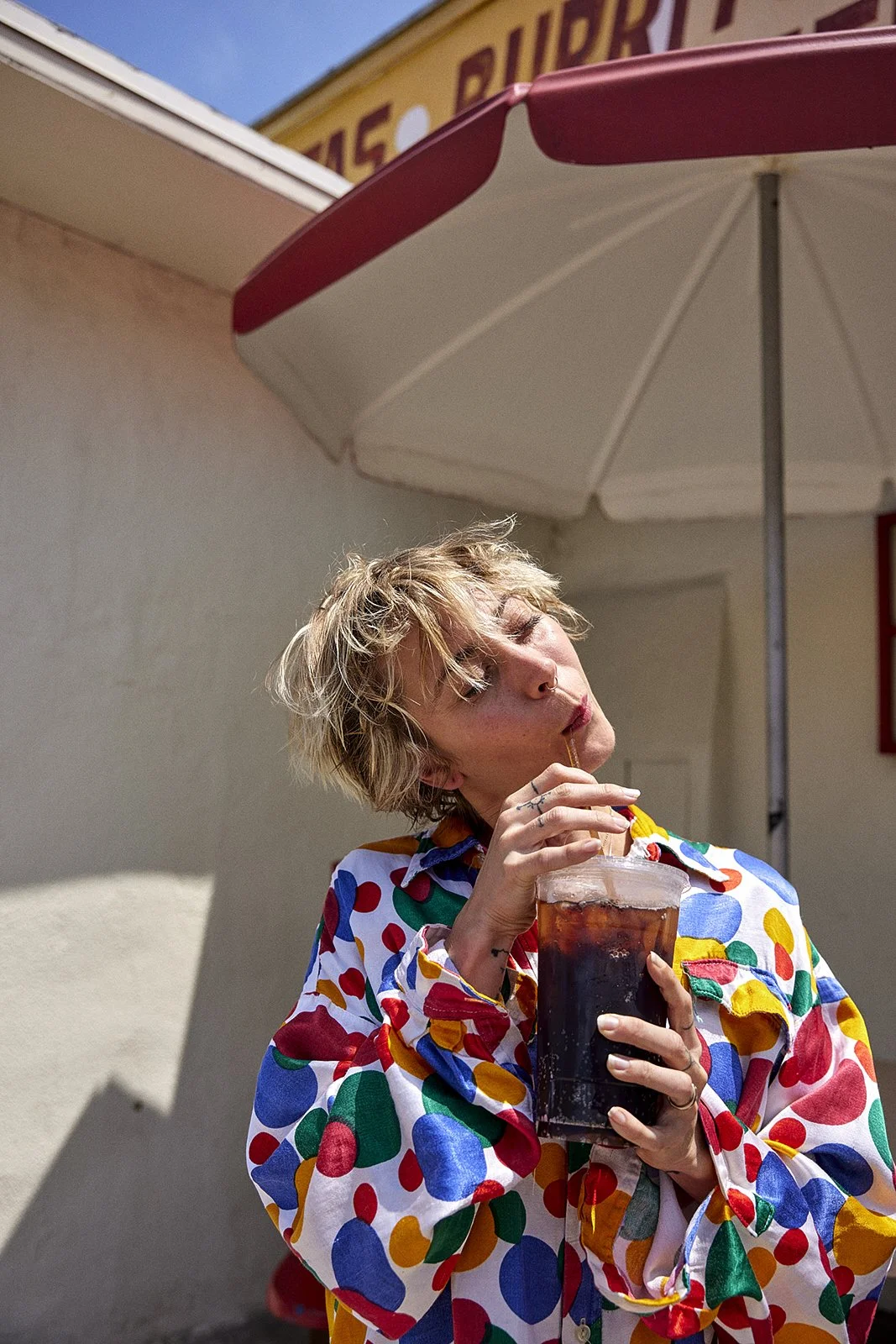
That doesn't mean I don't direct. I make formal portraits and I'm intentional about the photographs I make. But direction and observation aren't opposites. My direction is subtle, I have seen someone make a gesture and ask them to recreate that. Or I ask them to stand somewhere specific. With Ellison, she has a great sense of humor and a fun wardrobe, so I can ask her to wear something from her closet, or more aptly, her backpack. And when she is visiting after Burning Man, she has a lot of fun clothes. I made the photo of her in her leopard coat for this precise reason. She needed a warm coat for Burning Man. She found like five thrift store and because I only see her every few months, of course, I was going to drive her all around the East side of Los Angeles to find the exact coat she wanted. When we finally found one, I had to say, "You know this is conditional, I am making a photo of you in this coat."
Knowing Who the Work Is For
Commercial imagery is made for a client's brief, which is very exciting to work on. Images made for personal projects are built around the subjects' story. I like to work in both realms. Working with other creatives on commercial projects is awesome because it can have a lot of direction, mapped out photo needs, a schedule and a budget. It is not as amorphous as a personal project. I'm here for both. You can read more of how I work in a more structured way in Professional Portraits for Leaders, Founders & Creatives .
Mood Boards and Visual References
Visual references such as moodboards are a great springboard. I can figure out what I'm responding to, look at other work to get inspired, and communicate to the subject.
I'm looking at the overall feeling of the work and thinking about, "How are they approaching the subject? What is their color palette?"
Usually about ten references is enough to communicate visually and jog my memory, if I want to remember how a subject is posed, or if it's a long shoot and a lot is going on, I need a coffee and a moment to regroup and remind myself, "What are the gorgeous images that are inspiring and driving you? What is it about these images that I like?"
That process helps me get more specific about what I want my own photographs to do.
Please comment if you also use moodboards to think. I'm curious how it looks for other creatives.
If possible, I like to scout a location. I want to see where the light is moving, which, yes, Los Angeles is sunny ALL THE TIME, however, the light is lower in the sky in winter. Also, if you are in a canyon, good luck, you are going to loose sunlight a lot sooner.
I also want to see what the location is presenting, is there a lot of nature and texture?
If I am working with another creative, we have a shared moodboard and any other information for the shoot is also shared, location scouting, etc.
How Many Photos Can We Make in a Day?
When I plan a shoot, I think about two things: How many photographs can we realistically make, and how many does the story actually need?
I look for:
An establishing image that tells us where we are.
Plenty of portraits.
A sense of scale and variety.
A strong way to end the series.
There isn't a set number. Some stories need eight photographs; others need twenty-five.
I like to have a general shape in mind before the shoot, but I also leave room for what happens along the way. I don't want every photograph to have the same distance, composition, or energy.
The goal isn't to make as many photographs as possible. It's to make the photographs the story needs.
Location, Light and the Shape of the Story
Where we photograph matters. A beautiful location should make sense. I am interested in the light, the colors, the space, the background, and how all of those things work with the person I'm photographing.
Sometimes the environment is an important part of the story. Other times, I want it to be understated and let the person carry the image.
I also think about how I can move through the space and make a series that doesn't feel repetitive. I might start with an image that establishes where we are, move in closer for portraits, then pull back again to give the viewer a sense of the larger story.
I don't have every photograph planned before I arrive. I want to have a sense of a plan and how the day might unfold and also want to respond to what I find.
The location gives me possibilities. My goal is to recognize them and figure out how they fit into the story.
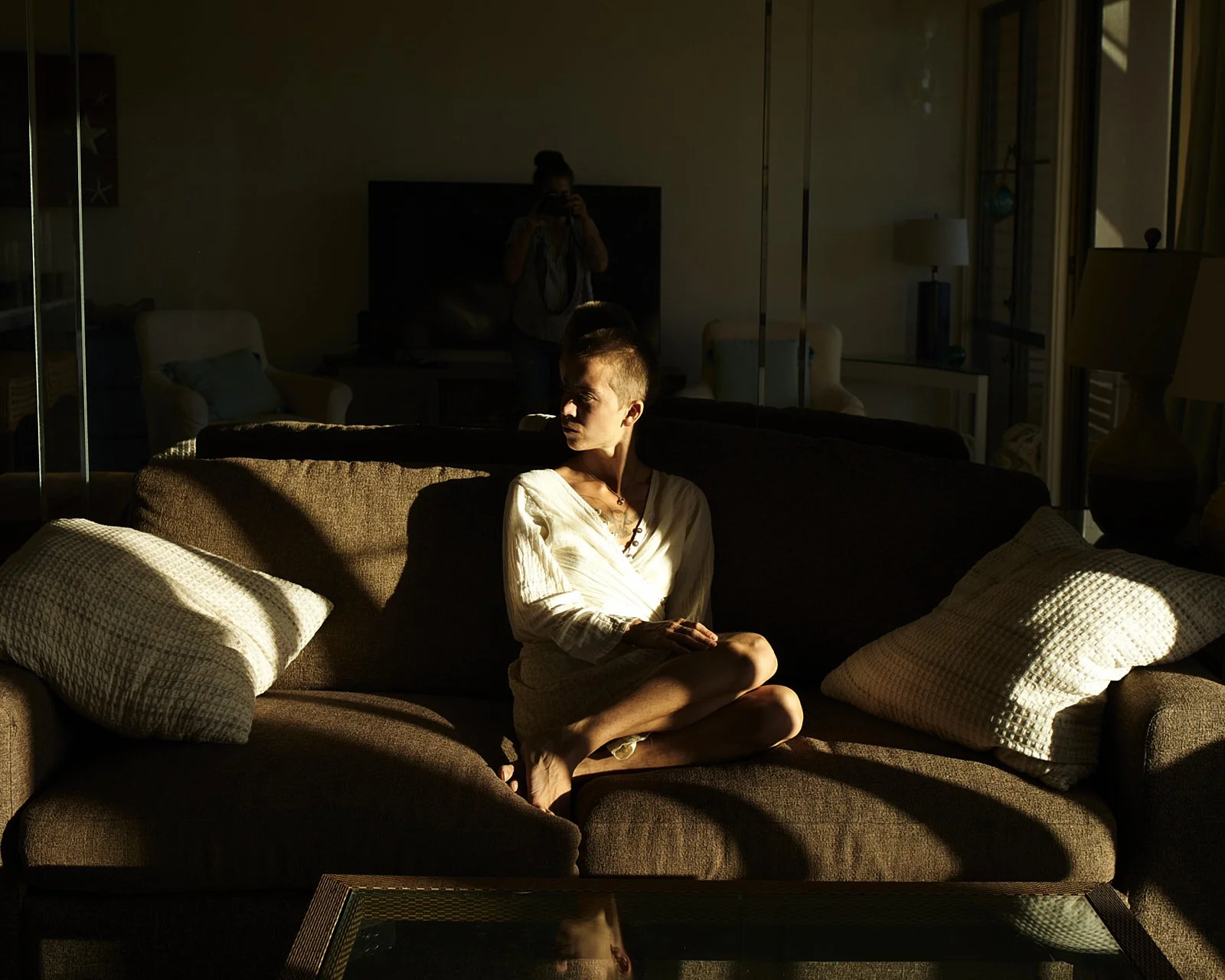
Preparing for the Shoot: By the time I arrive to photograph, I want to have thought through the things I can control.
Wardrobe, Location, Light, Logistics.
How much time the subject has.
What equipment I might need.
I am hyperfocused when I am photographing, thank you ADHD, that's really awesome.
If something unexpected happens, I can pivot.
Letting the Photographs Change the Plan
Once I'm actually photographing, I might see something I didn't anticipate. The light might be better somewhere else. The person might do something that changes the direction of the photographs. That is super fun and exciting and I like toe respond to that.
Some of the strongest photographs I've made have come from something I wasn't looking for, but from life happening.
Planning allows me to go into a situation with all the info and tools I need.
Editing the Series
Editing is where I really begin to understand what I've photographed.
I'm looking at how images work together.
One photograph might be great on its own but not belong in the series. Another might not immediately stand out until I see it next to another image.
Sometimes I realize I've photographed the same idea three different ways and only need one of them.
Sometimes I realize I'm missing something and want to go back and shoot again.
Sequencing the Story
A photo series is a sequence, not just a collection of photographs.
I think about where the series begins, where it builds on the previous images, where it gets quieter, and where it ends.
Again, I think about music. There are crescendos and decrescendos. There are moments when everything comes together and moments when things quiet down. There can be repetition, contrast and space.
Photographs can work the same way.
The order changes how we experience each image.
A photograph can feel completely different depending on what comes before it.
For me, the editing and sequencing are where the individual photographs finally become a body of work.
When images are successful
All of the planning, research, scouting and thinking happens before and around the photographs.
But ultimately, I don't want someone looking at the finished series to be thinking about my process.
I want them to respond to the photographs.
How can we ever know everything that went into making a photograph? And when a photograph really works, you're not thinking about all the decisions behind it. You're looking and seeing something in a new way.
That's what I'm hoping for with my own work: that the photographs resonate, that something makes you stop, and that you want to keep looking.
Let's Talk About Your Project
If you have a story, a person or a project you've been thinking about photographing, I'd love to hear about it.
Whether you're developing an editorial or commercial series, working on a personal project, or simply trying to figure out what the photographs should look like, I'm happy to talk through the idea with you.
Frequently Asked Questions
Do you work directly with art directors?
Yes, and I welcome it. A second creative eye during planning is awesome.